How a Dentist Can Help With Snoring and Sleep Apnea
If snoring keeps your partner awake or you often wake up feeling tired despite a full night's sleep, the cause may be more than just noise. Snoring and sleep apnea are linked to how the airway behaves during sleep, and a dentist trained in this area can play a real role in managing mild to moderate cases through a custom-fitted oral appliance.
What Causes Snoring and Sleep Apnea
During sleep, the muscles of the throat relax. In some people, the tongue and soft tissues fall backward and partially block the airway, causing the vibration we hear as snoring. In obstructive sleep apnea, this blockage becomes severe enough to briefly stop breathing, sometimes dozens of times a night. This can lead to poor sleep quality, daytime fatigue, and long-term health concerns if left unmanaged.
How an Oral Appliance Helps
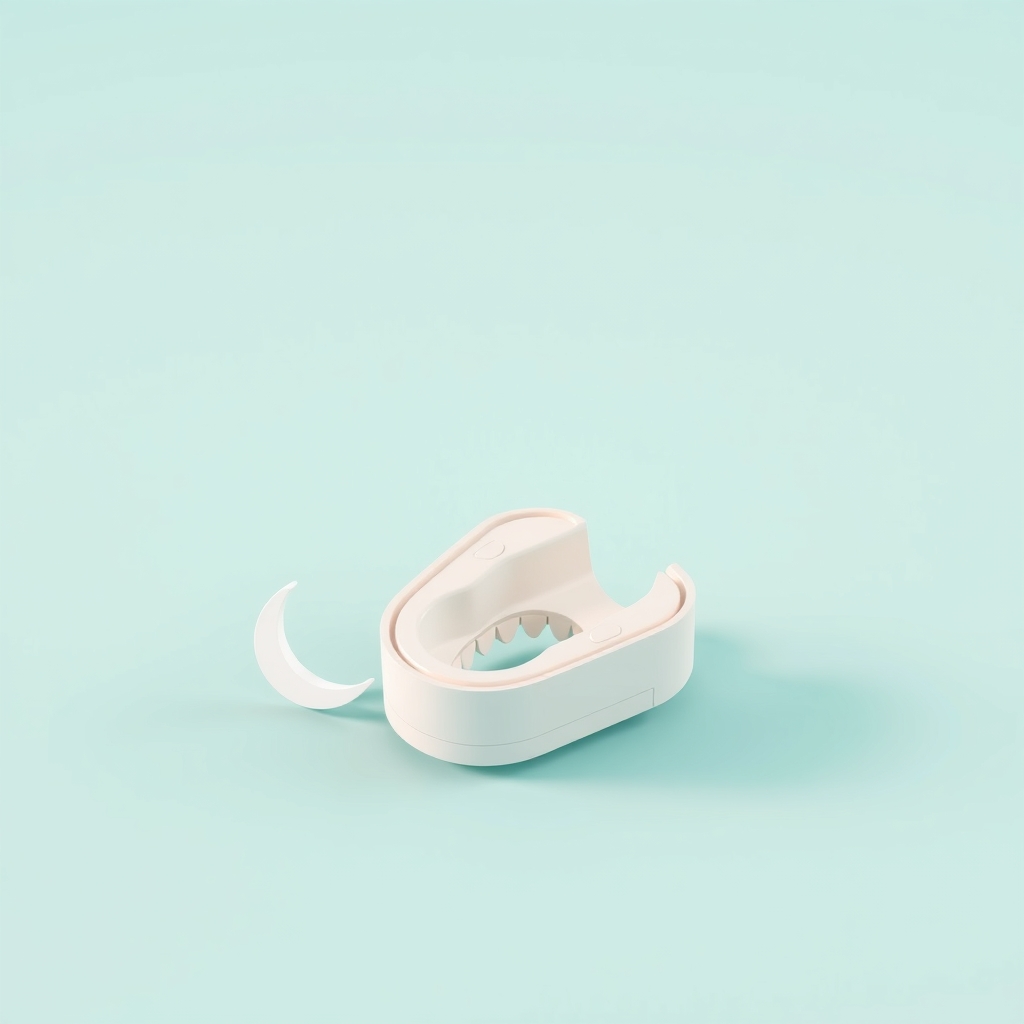
A dental sleep appliance is a custom-made device, similar to a mouthguard, worn only at night. It gently holds the lower jaw slightly forward, which helps keep the airway more open and reduces the collapsing of soft tissue that causes snoring and apnea episodes.
Unlike over-the-counter mouthguards, a custom appliance is designed using precise impressions and bite measurements of your teeth and jaw, so it fits securely and works as intended without shifting during the night.
Who Is a Candidate
- Adults diagnosed with mild to moderate obstructive sleep apnea through a sleep study
- People who snore regularly but have not been diagnosed with apnea, after ruling out other causes
- Patients who find CPAP machines uncomfortable, noisy, or difficult to use consistently
- Those with enough healthy teeth to support and anchor the appliance
- People without significant jaw joint (TMJ) problems that could worsen with jaw repositioning
Severe sleep apnea is usually managed with CPAP therapy or, in some cases, surgery. A dentist's role in these cases is often supportive, working alongside your sleep physician rather than replacing medical treatment.
What to Expect: The Process
- Sleep study confirmation: A diagnosis from a physician or sleep lab is usually needed before an appliance is made, so severity is clearly understood.
- Dental and jaw examination: The dentist checks your teeth, gums, and jaw joint to confirm you are a suitable candidate.
- Impressions and bite registration: Precise molds of your teeth and a recorded bite position are taken to design the appliance.
- Appliance fitting: Once ready, the appliance is fitted and adjusted for comfort and correct jaw positioning.
- Follow-up adjustments: Over the following weeks, small adjustments are made to improve effectiveness and comfort based on how you feel and, ideally, a follow-up sleep assessment.
What the Appliance Feels Like Day to Day
Most patients describe an adjustment period of one to two weeks. Mild jaw stiffness in the morning, slight tooth sensitivity, or increased saliva are common early on and typically ease as you get used to wearing it. Appliances need to be cleaned daily and checked periodically by your dentist for wear, since they are adjusted over time as your bite settles.
Cost Considerations
The typical range for a custom oral appliance for snoring or mild sleep apnea in Indirapuram, Ghaziabad depends on the type of device and the number of adjustment visits needed. Straightforward single-arch designs tend to cost less than more advanced adjustable models. Your dentist can review options with you after examining your bite and reviewing your sleep study results, so you understand what is involved before deciding.
Why See a Local Dentist for This
Choosing a dentist near you in Indirapuram, Ghaziabad makes the follow-up process easier, since appliance fitting usually requires a few visits for adjustments and comfort checks. Being close by also makes it simpler to address minor issues quickly, such as tightness or slight irritation, without long travel each time.
If snoring or possible sleep apnea has been affecting your rest or your partner's, a conversation with a dentist experienced in sleep appliances is a reasonable first step, alongside consulting your physician about a sleep study if you have not already had one.
Have questions about your teeth?
Dr Urvashi Verma's Dental Clinic · Jaipuria Sunrise Plaza, Ahinsa Khand 1, Indirapuram
Frequently asked questions
Can a dentist really treat sleep apnea, or only a doctor?
Dentists do not diagnose sleep apnea. A physician or sleep specialist confirms the diagnosis through a sleep study, and the dentist then fits an oral appliance for cases classified as mild to moderate. Severe cases usually need CPAP or other medical management, sometimes alongside dental input.
Are oral appliances as effective as CPAP?
For mild to moderate sleep apnea, oral appliances can be nearly as effective as CPAP for many patients, and often better tolerated. For severe sleep apnea, CPAP generally remains more effective, so the choice depends on your sleep study results.
How long does a custom appliance take to make?
After impressions and bite measurements, most appliances are ready within one to two weeks. You will then have follow-up visits to fine-tune the fit and jaw position.
Will the appliance feel uncomfortable at first?
Mild jaw or tooth soreness in the first week or two is common as your mouth adjusts. This usually settles down, and your dentist will make small adjustments if discomfort continues.
Treatment costs mentioned on this page are indicative ranges for the Indirapuram, Ghaziabad region. Your exact cost depends on your case and will be confirmed after a clinical examination at the clinic.