Tongue, Lip, and Cheek Piercings: How They Affect Your Teeth and Gums
Oral piercings on the tongue, lips, or cheeks have become a popular way to express personal style. While the piercing itself may heal without major issues, many people are not aware of the slow, ongoing damage it can cause to teeth, gums, and enamel over time. If you have an oral piercing or are considering one, understanding these risks can help you protect your dental health for years to come.
How Oral Piercings Affect Your Mouth
Jewellery placed on the tongue, lips, or inner cheeks sits very close to teeth and gum tissue. With constant movement while talking, eating, and sleeping, this hardware can rub against or knock into oral structures thousands of times a day. Over months and years, this repeated contact adds up.
Enamel Wear and Chipped Teeth
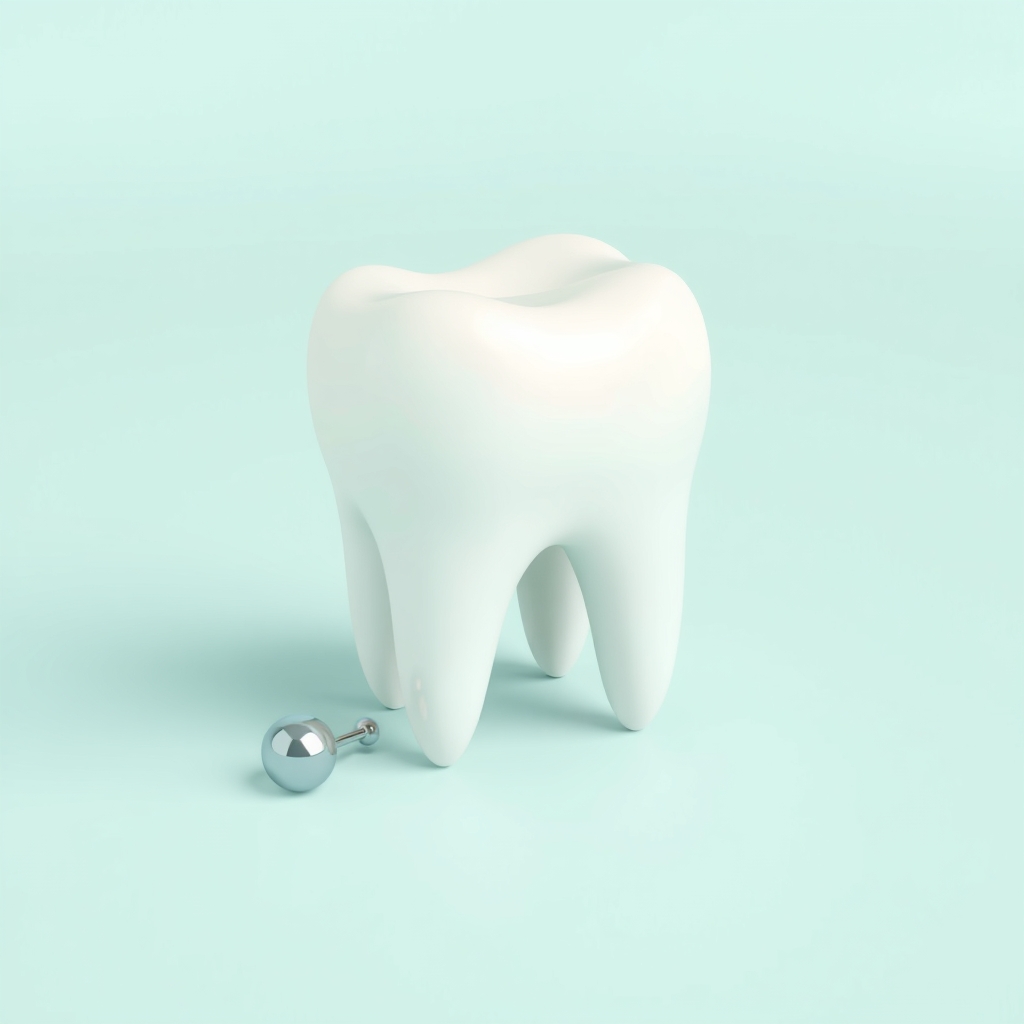
A metal barbell clicking against teeth again and again can gradually wear down enamel or cause visible chips, especially on the front teeth. Enamel does not grow back once it is lost, so this kind of damage is permanent and may require restorative treatment such as bonding or a crown.
Gum Recession
Lip and cheek piercings, in particular, can rub against the gum line where the jewellery rests against the inside of the lip or cheek. This constant friction can cause the gums to recede, exposing the tooth root. Receded gums do not grow back on their own and can lead to sensitivity and a higher risk of decay near the root surface.
Cracked Teeth
Accidentally biting down on jewellery, especially during sleep or while eating, can cause a tooth to crack. Depending on the severity, a cracked tooth may need anything from a filling to a root canal or extraction.
Infection and Swelling
The mouth carries a lot of bacteria, and a fresh piercing is essentially an open wound. This raises the risk of infection, swelling, and in some cases prolonged healing. Tongue piercings especially can cause significant swelling in the first few days, which in rare cases may affect breathing or speech temporarily.
Speech and Chewing Changes
Some people find that a tongue piercing affects speech clarity or makes chewing feel different, at least until they adjust. Excess saliva production is also common in the initial period after piercing.
Precautions If You Have an Oral Piercing
If you already have a tongue, lip, or cheek piercing, these steps can help reduce the risk of dental damage:
- Choose jewellery with a shorter post or smaller ball to reduce contact with teeth and gums.
- Check the tightness of the jewellery regularly so it does not come loose and become a choking hazard.
- Avoid clicking or playing with the piercing against your teeth, this is a common habit that speeds up enamel wear.
- Clean the piercing and your mouth gently after meals using an alcohol-free antibacterial mouth rinse.
- Brush and floss as usual, being gentle around the piercing site while it heals.
- Remove the jewellery during contact sports or activities where facial injury is possible.
- Watch for early signs of gum recession, such as increased tooth sensitivity or a tooth appearing longer than before.
When to See Your Dentist
Regular dental check-ups become even more important if you have an oral piercing. Your dentist can monitor your gums and enamel for early changes and catch problems before they become serious. You should visit sooner if you notice any of the following:
- Persistent swelling, pus, or fever after getting pierced
- A tooth that feels chipped, rough, or sensitive to hot and cold
- Gums that look like they are pulling away from a tooth
- Jewellery that feels loose or has become embedded in tissue
Cost Considerations
If a piercing has already caused dental damage, treatment costs will depend on what is needed, whether that is a simple filling, bonding for a chipped tooth, gum treatment, or a crown. For patients in Indirapuram, Ghaziabad, these procedures generally fall within a typical range that your dentist can estimate only after a proper examination, since the extent of damage varies from person to person.
A Balanced Approach
Having an oral piercing does not automatically mean you will develop dental problems, but the risk is real and often develops slowly and silently. Being mindful of how your jewellery interacts with your teeth and gums, along with keeping up regular dental visits, goes a long way in keeping both your smile and your piercing worry-free.
Have questions about your teeth?
Dr Urvashi Verma's Dental Clinic · Jaipuria Sunrise Plaza, Ahinsa Khand 1, Indirapuram
Frequently asked questions
Can I still get dental treatment if I have an oral piercing?
Yes. Just let your dentist know about it beforehand. You may be asked to remove it during certain procedures like X-rays or extended treatments for safety and comfort.
How soon after piercing should I get a dental check-up?
It is a good idea to get a check-up within the first few weeks after healing, and then continue with routine six-monthly visits so any early damage can be caught and managed.
Does a smaller barbell reduce the risk of tooth damage?
Yes, a shorter, snug-fitting piece of jewellery reduces the chances of it hitting your teeth repeatedly, but it does not eliminate the risk entirely. Regular dental monitoring is still important.
Can a chipped tooth from a piercing be fixed?
Often yes. Depending on the extent of the chip, treatments like bonding, a crown, or in some cases root canal treatment can restore the tooth. Your dentist can assess and advise the best option.
Treatment costs mentioned on this page are indicative ranges for the Indirapuram, Ghaziabad region. Your exact cost depends on your case and will be confirmed after a clinical examination at the clinic.