Orthodontic Retainers: Types, Wear Time, and Care After Braces or Aligners
Finishing braces or aligner treatment is a big moment, but the work is not quite over. Teeth naturally want to drift back toward their original positions, and retainers are what hold your new smile in place. If you have recently completed treatment in Indirapuram, Ghaziabad, here is what you need to know about the different types of retainers, how long to wear them, and how to keep them clean.
Why Retainers Are Necessary
The bone and gum tissue around your teeth need time to stabilise after orthodontic movement. Without a retainer, this relapse can happen gradually over months, undoing some of the progress made during treatment. Wearing a retainer as instructed protects the results you worked hard for.
Types of Retainers
Removable Hawley Retainers
These are made of a acrylic plate that sits against the roof of the mouth or under the tongue, combined with a metal wire that holds the front teeth in position. They are durable, adjustable, and easy to clean, though the visible wire is a minor cosmetic drawback for some patients.
Clear Plastic Retainers
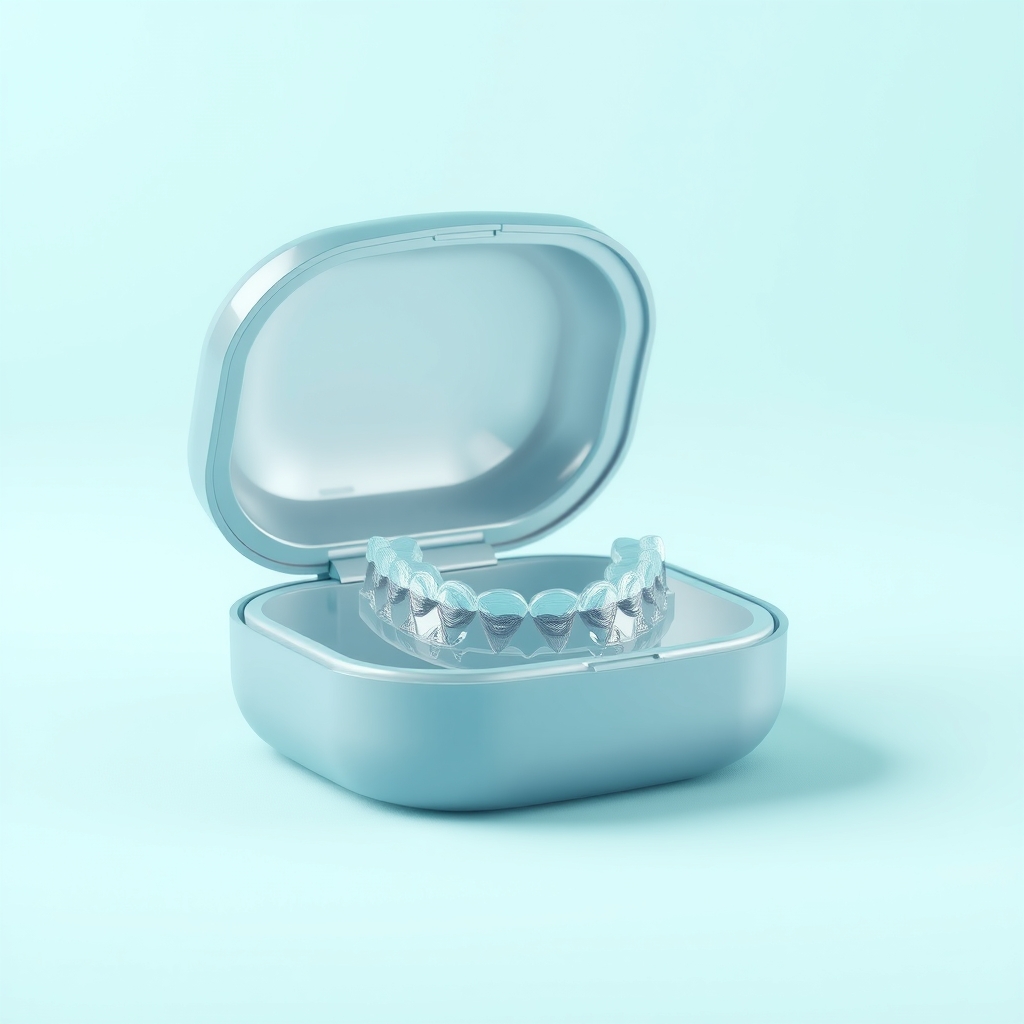
Also called essix retainers, these are thin, transparent trays similar in appearance to clear aligners. They fit snugly over the entire arch of teeth and are popular because they are nearly invisible. They can wear down over time and typically need replacement every one to two years with regular use.
Fixed (Bonded) Retainers
A thin wire is bonded to the back surface of the front teeth, usually the lower front teeth or sometimes both arches. Since they cannot be removed by the patient, they work continuously without relying on daily compliance. They do require extra care while flossing and are checked periodically to make sure the bonding remains intact.
| Retainer Type | Visibility | Care Needed |
|---|---|---|
| Hawley | Visible wire | Brush daily, handle wire carefully |
| Clear plastic | Nearly invisible | Clean daily, avoid heat exposure |
| Fixed/bonded | Hidden behind teeth | Careful flossing, dentist checks |
How Long Should You Wear a Retainer
Your orthodontist or dentist will give you a specific schedule based on your case, but a common general pattern is as follows.
- Full-time wear (removing only to eat, drink, and brush) for the first three to six months
- Nighttime-only wear for the following months to years
- Long-term or indefinite nighttime wear to maintain stability, since teeth can shift at any age
Fixed retainers are typically left in place for several years, sometimes longer, as long as they remain intact and are checked regularly at follow-up visits.
Cleaning Your Removable Retainer
- Rinse it with cool or lukewarm water every time you take it out, never hot water, which can warp plastic
- Brush it gently with a soft toothbrush and mild soap or a non-abrasive cleaner, avoiding regular toothpaste as it can scratch clear plastic
- Soak it a few times a week in a denture or retainer cleaning solution as recommended by your dentist
- Avoid mouthwash soaks, as alcohol content can damage some materials and cause discolouration
Storing Your Retainer Safely
Always keep your retainer in its protective case when it is not in your mouth. A large number of retainers are lost because they are wrapped in a napkin or left loose in a bag or pocket. Keep it away from pets, direct sunlight, hot cars, and dishwashers, all of which can warp or damage the material.
Caring for a Fixed Retainer
Since the wire is bonded behind your teeth, brushing and flossing need a little extra attention. An interdental brush or floss threader can help you clean under the wire thoroughly. If the wire ever feels loose or you notice a tooth shifting slightly, contact your dentist promptly rather than waiting for your next scheduled visit.
Signs Your Retainer Needs Attention
- It feels unusually tight or does not seat fully anymore
- You notice cracks, discolouration, or a persistent odour despite cleaning
- A fixed retainer wire feels loose or a tooth behind it seems to be moving
- The plastic has become cloudy or brittle with age
Regular dental check-ups after orthodontic treatment allow your dentist to monitor both your retainer and the position of your teeth, catching any small changes before they become bigger problems. If you have questions about your specific retainer type or wear schedule, our team at Jaipuria Sunrise Plaza, Ahinsa Khand 1, Indirapuram is happy to guide you through the right long-term care plan.
Have questions about your teeth?
Dr Urvashi Verma's Dental Clinic · Jaipuria Sunrise Plaza, Ahinsa Khand 1, Indirapuram
Frequently asked questions
Can I stop wearing my retainer after a year?
No. Teeth can shift at any age, even years after treatment. Most orthodontists recommend some form of nighttime wear indefinitely, though your dentist may adjust the schedule based on how stable your teeth are.
What happens if I lose my retainer?
Contact your dentist as soon as possible. Teeth can begin shifting within days to weeks without a retainer, so a replacement should be made quickly to avoid losing your treatment results.
Can I eat with my retainer in?
Removable retainers should be taken out before eating and drinking anything other than water. Fixed retainers do not need to be removed, but you should avoid very sticky or hard foods that could dislodge the wire.
Why does my retainer feel tight after not wearing it for a few days?
A tight fit usually means your teeth have already started to shift slightly. Keep wearing it as directed and if tightness does not ease within a few days, have your dentist check it.
Treatment costs mentioned on this page are indicative ranges for the Indirapuram, Ghaziabad region. Your exact cost depends on your case and will be confirmed after a clinical examination at the clinic.