Tooth Extraction: Why It's Needed, What to Expect, and How to Heal Well
Hearing that a tooth needs to be removed can feel worrying, especially if you are not sure why it is necessary. In most cases, extraction is recommended only after other options have been considered, and it is a routine, well-understood procedure. This guide explains the common reasons for extractions, what happens during the visit, and how to care for the socket afterward so it heals smoothly.
Common Reasons a Tooth May Need to Be Removed
Dentists always try to save a natural tooth first. Extraction is usually the last step when the tooth cannot be reasonably restored or is putting other teeth at risk.
- Severe decay: When a cavity has destroyed too much of the tooth structure, even a root canal and crown may not be enough to save it.
- Infection or abscess: A deep infection that has spread into the bone or does not respond to root canal treatment may require removal to protect surrounding teeth and gums.
- Crowding: Sometimes a tooth is removed to create space, particularly before or during orthodontic treatment like braces.
- Trauma or fracture: A tooth broken below the gum line from an injury or bite may be too damaged to repair.
- Advanced gum disease: When gum disease has caused significant bone loss, a tooth can become too loose to keep.
- Impacted wisdom teeth: Wisdom teeth that are stuck, angled, or repeatedly causing pain and infection often need removal.
What Happens During the Procedure
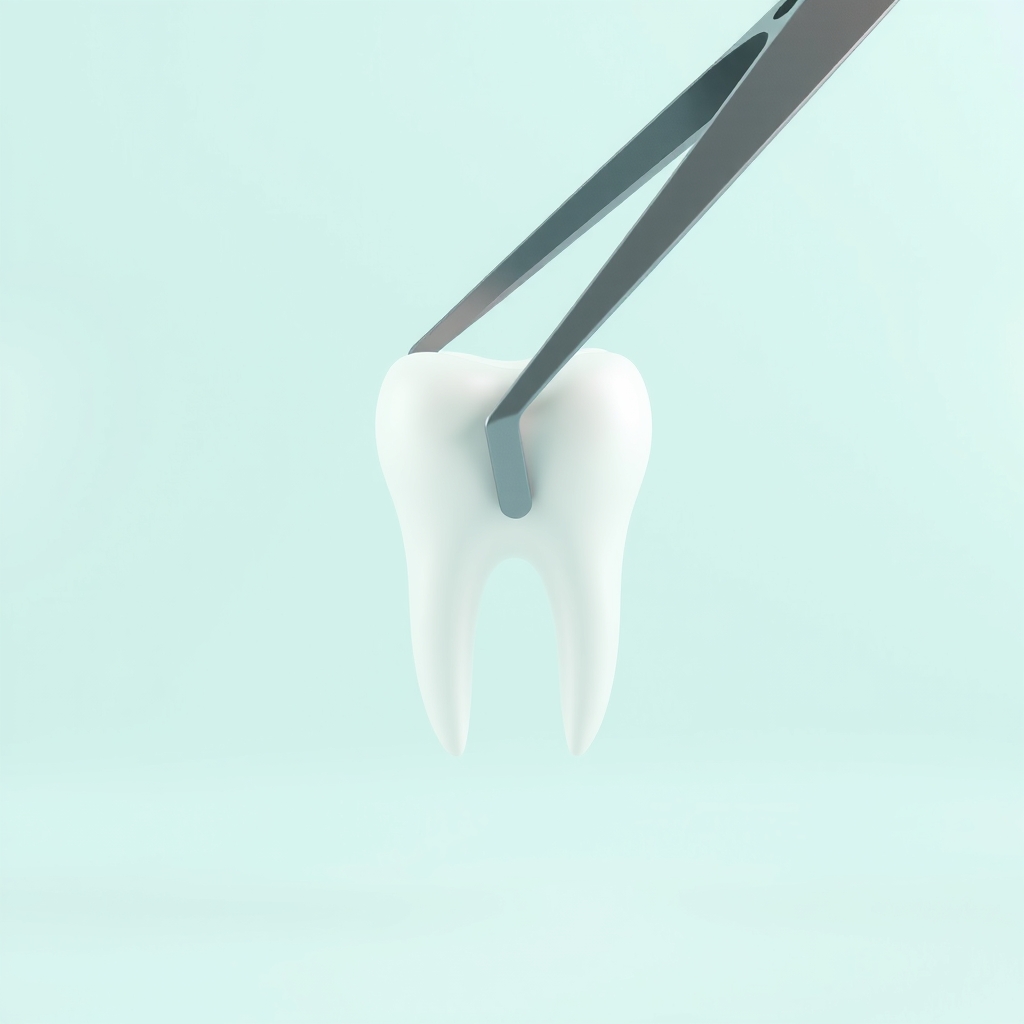
Most extractions are simple, outpatient procedures done under local anaesthesia. Your dentist will first take an X-ray to understand the tooth's position and root shape.
Simple Extraction
Used for teeth that are visible and accessible above the gum line. The tooth is gently loosened and lifted out using dental instruments after the area is numbed.
Surgical Extraction
Needed when a tooth is broken, impacted, or has not fully emerged, such as some wisdom teeth. A small incision may be made in the gum, and the tooth may be sectioned into pieces for easier removal.
Either way, you will feel pressure but not sharp pain during the procedure. The whole process typically takes between 20 and 45 minutes, depending on complexity.
Immediate Aftercare: The First 24 Hours
The first day is the most important for setting up good healing.
- Bite gently on the gauze pad placed over the socket for 30 to 45 minutes to help a clot form.
- Avoid rinsing, spitting forcefully, or using a straw for at least 24 hours.
- Do not smoke, as it significantly raises the risk of complications and slows healing.
- Apply a cold pack on the cheek in short intervals to reduce swelling.
- Stick to soft, lukewarm or cool foods like khichdi, dal, mashed vegetables, or curd. Avoid hot, spicy, or crunchy food.
- Take any prescribed antibiotics or painkillers as directed, even if you feel fine.
Caring for the Socket Over the Next Week
After the first day, gentle care helps the socket heal without disturbing the clot.
- From the second day, rinse very gently with warm salt water after meals to keep the area clean.
- Continue brushing your other teeth normally, but be gentle near the extraction site.
- Avoid vigorous exercise for a couple of days, as it can increase bleeding or swelling.
- Sleep with your head slightly elevated for the first night or two.
- Mild swelling and discomfort are normal for two to three days and should gradually improve.
Signs of Dry Socket to Watch For
Dry socket occurs when the protective blood clot is lost too early, exposing the underlying bone. It usually develops two to four days after extraction and causes noticeably sharp, throbbing pain that may radiate to the ear, sometimes with a bad taste or odour. This is different from the mild soreness that gradually fades. If you notice worsening pain instead of improvement, contact your dentist promptly, as dry socket is easily treated once diagnosed.
When to Call Your Dentist
Contact your dental clinic if you experience heavy bleeding that does not stop with gentle pressure, fever, pus, worsening swelling after three days, or pain that intensifies rather than eases. Patients in Indirapuram and the wider Ghaziabad area can visit or call Dr Urvashi Verma's Dental Clinic at Jaipuria Sunrise Plaza, Ahinsa Khand 1, for a check-up if anything feels off during recovery.
Planning for What Comes Next
Once your socket has healed, it is worth discussing tooth replacement options such as an implant, bridge, or partial denture, especially for back teeth involved in chewing or front teeth affecting your smile. Leaving a gap for too long can allow neighbouring teeth to shift over time, so a timely conversation with your dentist helps you plan the next step comfortably.
Have questions about your teeth?
Dr Urvashi Verma's Dental Clinic · Jaipuria Sunrise Plaza, Ahinsa Khand 1, Indirapuram
Frequently asked questions
Does tooth extraction hurt?
No, the area is numbed with local anaesthesia before the procedure, so you should not feel pain during the extraction. Mild soreness for a couple of days afterward is normal and manageable with the medicines your dentist prescribes.
How long does it take for the socket to heal?
Initial healing of the gum takes about one to two weeks, while the bone underneath continues to fill in over a few months. Most patients return to normal eating and routines within a week.
What is dry socket and how do I avoid it?
Dry socket happens when the healing blood clot in the socket dislodges too early, exposing bone and causing sharp pain. Avoiding smoking, straws, and vigorous rinsing or spitting for the first few days greatly lowers this risk.
Can I get a replacement tooth after extraction?
Yes. Options like dental implants, bridges, or dentures can replace an extracted tooth. Your dentist will usually suggest the right time and option based on your healing and oral health.
Treatment costs mentioned on this page are indicative ranges for the Indirapuram, Ghaziabad region. Your exact cost depends on your case and will be confirmed after a clinical examination at the clinic.