How Thumb Sucking and Pacifier Habits Affect Teeth Alignment
Almost every parent in Indirapuram has watched their little one comfort themselves with a thumb or pacifier. It is a natural, normal habit in babies and toddlers. But many parents wonder when it stops being harmless and starts affecting how their child's teeth grow in. Here is what you need to know, explained simply.
Why Do Children Suck Their Thumb or Use a Pacifier?
Sucking is a natural reflex that helps babies feel calm and secure. It helps them fall asleep, self-soothe during stress, and explore their world in the early months. Most children reduce or stop this habit on their own somewhere between 2 and 4 years of age.
When Does It Start Affecting Teeth Alignment?
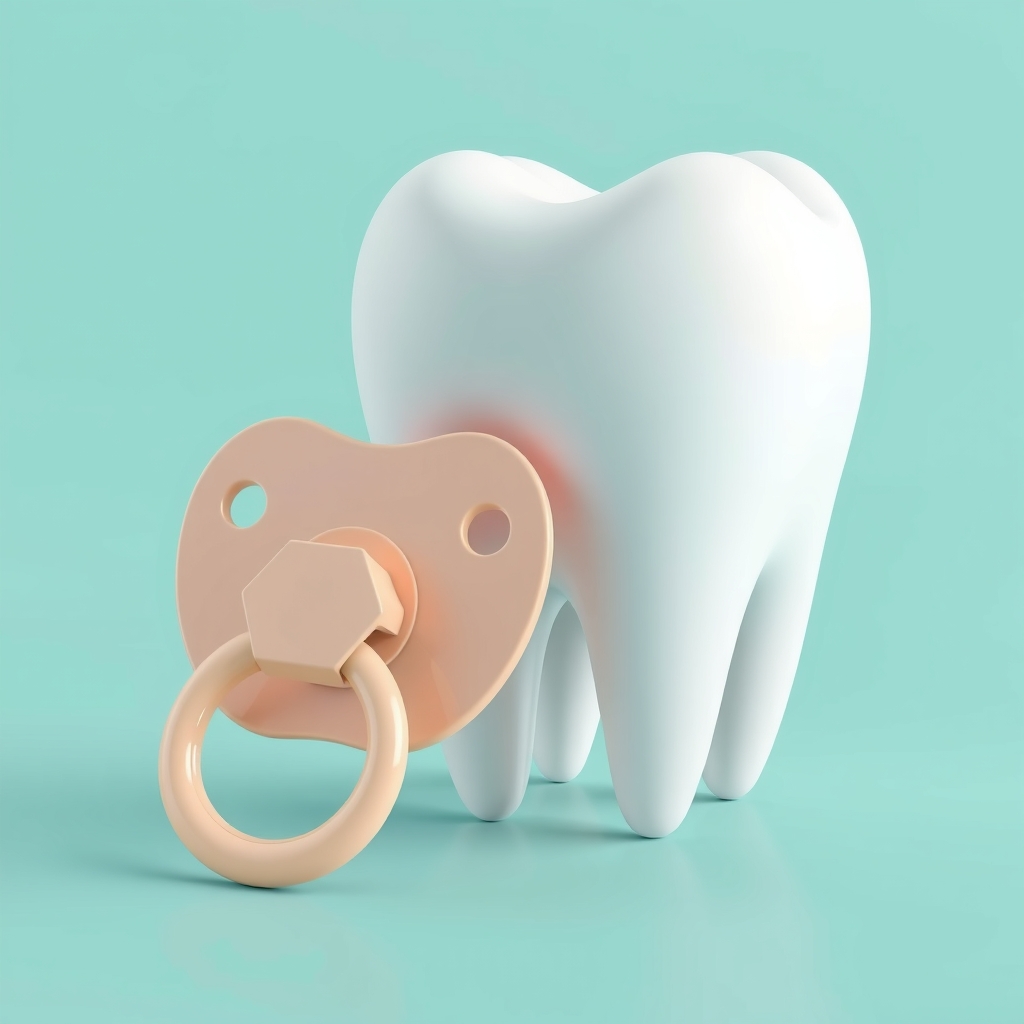
The concern is not the habit itself in infancy, but how long and how intensely it continues. Gentle, occasional thumb sucking in a two-year-old rarely causes problems. However, if the habit continues past age 4, especially with vigorous sucking, it can begin to shape how the teeth and jaw develop.
Common Effects of Prolonged Habits
- Open bite: The front upper and lower teeth may not meet when the mouth is closed, leaving a gap.
- Overbite or protruding front teeth: Constant pressure can push the upper front teeth forward.
- Narrow upper jaw: The roof of the mouth can develop a narrower shape, sometimes affecting how teeth fit together.
- Speech changes: Some children develop a slight lisp or difficulty pronouncing certain sounds.
The severity usually depends on three things: how often the habit happens, how intense the sucking is, and how long it continues, particularly once permanent teeth begin arriving around age 6.
Pacifier vs Thumb: Is One Better?
Both habits can affect teeth in similar ways if continued too long. The main practical difference is that a pacifier is an object you can gradually phase out, while a thumb is always available, which can make stopping a thumb-sucking habit a little more challenging for some children.
Gentle Ways to Help Your Child Stop
The goal is to guide your child away from the habit with patience, not pressure or punishment. Shaming a child rarely works and can create stress around the issue.
Practical Steps That Often Help
- Praise and encouragement: Acknowledge and reward your child when they go without the habit, using small non-food rewards or a simple sticker chart.
- Identify triggers: Notice when the habit happens most, such as at bedtime or when anxious, and address the underlying need with a cuddle, story, or comfort object instead.
- Involve your child: Around age 4, children can understand simple explanations. Let them help choose a plan to stop, which builds their sense of control.
- Gentle reminders: A soft bandage on the thumb or gloves at night can serve as a physical reminder without being punitive.
- Gradual pacifier reduction: Limit pacifier use to naptime and bedtime first, then slowly phase it out completely.
- Books and stories: Age-appropriate books about giving up thumb sucking or pacifiers can help children feel understood and motivated.
If these steps do not work after a few months, or if your child seems anxious and the habit feels tied to a deeper emotional need, it is worth speaking with your pediatrician or dentist for additional guidance.
When to See a Dentist
If your child is past age 4 and still has an active thumb-sucking or pacifier habit, or if you notice visible changes in how their teeth line up, a dental check-up is a good idea. Early evaluation helps determine whether the changes are likely to self-correct once the habit stops, or whether monitoring or orthodontic guidance may be needed later as permanent teeth come in.
| Age Range | General Guidance |
|---|---|
| 0 to 2 years | Normal soothing behaviour, no intervention usually needed |
| 2 to 4 years | Gently encourage reduction, watch for intensity and frequency |
| 4+ years, ongoing habit | Consider dental evaluation and active stopping strategies |
At Dr Urvashi Verma's Dental Clinic in Indirapuram, we regularly guide parents through these early childhood habits with patience and reassurance. A simple check-up can help you understand if your child's teeth are developing normally or if gentle support is needed.
Have questions about your teeth?
Dr Urvashi Verma's Dental Clinic · Jaipuria Sunrise Plaza, Ahinsa Khand 1, Indirapuram
Frequently asked questions
At what age should thumb sucking stop?
Most children give up the habit naturally between ages 2 and 4. If it continues past age 4, especially with force or intensity, it is worth discussing with a dentist.
Can pacifier use cause the same problems as thumb sucking?
Yes, though pacifier habits are often easier to manage and stop since you control access to the pacifier, unlike a thumb which is always available.
Will my child's bite correct itself after they stop the habit?
Mild changes often self-correct if the habit stops before permanent teeth come in, usually by age 6 to 7. More significant shifts may need an orthodontic evaluation.
Is thumb sucking harmful for a one-year-old?
No, it is a normal, common soothing behaviour in infants and toddlers. Concerns about teeth alignment generally begin if the habit persists past age 3 to 4.
Treatment costs mentioned on this page are indicative ranges for the Indirapuram, Ghaziabad region. Your exact cost depends on your case and will be confirmed after a clinical examination at the clinic.