Tooth Enamel Erosion: Causes, Warning Signs, and Prevention
If your teeth have started looking a little more yellow, feel rough at the edges, or react sharply to cold water and sweets, you may be noticing the early effects of enamel erosion. Enamel is the hard, protective outer layer of your teeth, and once it wears away, it does not grow back. Understanding what causes this and catching it early can help protect your smile for years to come.
What Is Tooth Enamel Erosion?
Enamel erosion is the gradual loss of this outer tooth layer, usually caused by repeated acid exposure or physical wear. Unlike cavities, which are caused by bacteria, erosion is a chemical and mechanical process. Since enamel cannot regenerate, prevention and early management are the only real ways to protect it.
Common Causes of Enamel Erosion
Acidic Foods and Drinks
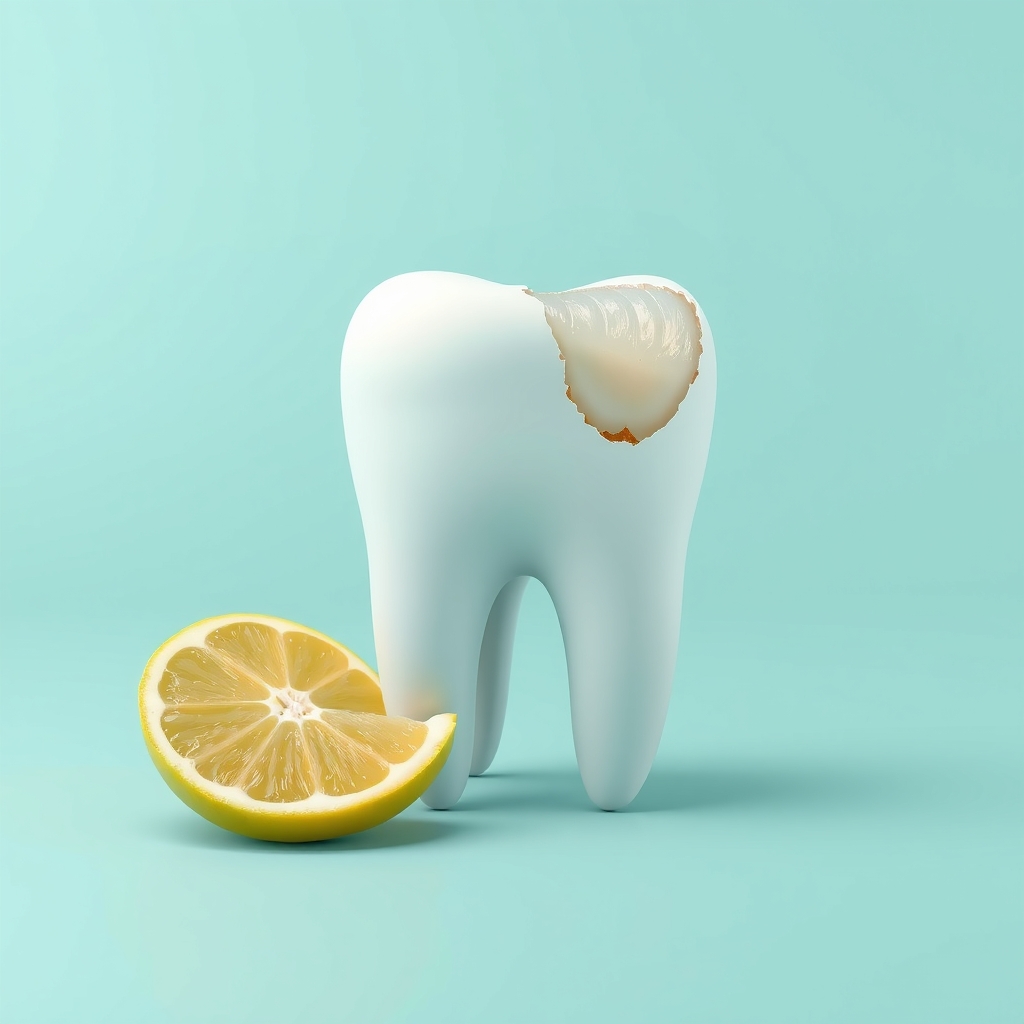
Frequent consumption of citrus fruits, carbonated soft drinks, fruit juices, vinegar-based foods, and even some sports or energy drinks can gradually soften and wear down enamel. It is not just sugar that damages teeth, acidity itself weakens the enamel surface over time.
Acid Reflux (GERD)
Patients with acid reflux or gastroesophageal reflux disease often experience enamel erosion on the inner (tongue-side) surfaces of their teeth. Stomach acid is significantly stronger than most dietary acids, and repeated exposure, especially at night, can cause noticeable thinning over time. If you have reflux symptoms along with tooth changes, it is worth mentioning this to your dentist.
Over-Brushing and Aggressive Technique
Brushing too hard, using a hard-bristled brush, or brushing immediately after consuming something acidic can accelerate enamel wear, particularly near the gum line. Many patients believe firmer brushing cleans better, but it often does more harm than good.
Other Contributing Factors
- Dry mouth, which reduces saliva's natural buffering effect
- Teeth grinding (bruxism), which wears enamel mechanically
- Frequent vomiting, including from conditions like bulimia
- Certain medications that reduce saliva flow
Warning Signs to Watch For
Enamel erosion tends to develop gradually, so the signs are often subtle at first. Common indicators include:
- Increased sensitivity to hot, cold, or sweet foods
- Teeth appearing more yellow as the underlying dentin shows through
- Rounded or smoother-looking tooth edges
- Small cracks, chips, or an uneven biting surface
- A dull or shiny "worn" look on the tooth surface
How Enamel Erosion Is Diagnosed
During a dental check-up, your dentist will visually examine your teeth for thinning, discoloration, and surface changes. They may also ask about your diet, any reflux symptoms, brushing habits, and grinding patterns to identify the underlying cause, since treatment works best when it addresses the root issue rather than just the symptoms.
Prevention Tips
- Limit frequent sipping of acidic or sugary drinks; use a straw when you do have them
- Rinse with plain water after acidic food or drink instead of brushing right away
- Wait about 30 minutes before brushing after consuming anything acidic
- Use a soft-bristled toothbrush with gentle, circular strokes
- Consider a fluoride toothpaste to help strengthen remaining enamel
- Manage acid reflux with medical guidance if you suspect it is affecting your teeth
- Ask about a night guard if grinding is contributing to wear
Treatment Options
Treatment depends on how much enamel has been lost and whether sensitivity or appearance is the main concern.
- Fluoride treatments: Can help re-harden early softened enamel and reduce sensitivity
- Desensitizing toothpaste: Useful for managing day-to-day sensitivity
- Bonding or veneers: Can restore appearance and protect exposed dentin in more advanced cases
- Crowns: Considered when erosion has significantly affected tooth structure and function
| Treatment | Typical Range (INR) |
|---|---|
| Fluoride application (per session) | Rs 500 to Rs 1,500 |
| Dental bonding (per tooth) | Rs 1,500 to Rs 4,000 |
| Veneer (per tooth) | Rs 8,000 to Rs 25,000 |
| Crown (per tooth) | Rs 6,000 to Rs 18,000 |
These are typical ranges seen in Indirapuram, Ghaziabad, and the right option for you will depend on the extent of erosion and your specific dental needs.
When to See a Dentist
If you are noticing sensitivity, yellowing, or rough or uneven tooth edges, it is a good idea to get a professional evaluation rather than waiting for the problem to worsen. Early intervention can often prevent further enamel loss and more extensive treatment down the line. Patients in Indirapuram and nearby areas of Ghaziabad can visit Dr Urvashi Verma's Dental Clinic at Jaipuria Sunrise Plaza for a thorough assessment and personalized guidance.
Have questions about your teeth?
Dr Urvashi Verma's Dental Clinic · Jaipuria Sunrise Plaza, Ahinsa Khand 1, Indirapuram
Frequently asked questions
Can eroded enamel grow back?
No, enamel does not regenerate once it is lost because it has no living cells. However, early softening from acid exposure can sometimes be re-hardened with fluoride before permanent loss occurs. This is why catching erosion early matters.
Is sensitivity always a sign of enamel erosion?
Not always, but it is one of the most common early signs. Sensitivity can also come from gum recession, cavities, or a cracked tooth, so it is worth getting checked rather than assuming the cause.
Does brushing right after eating help protect enamel?
Actually, brushing immediately after acidic food or drink can worsen erosion because the enamel is temporarily softened. It is better to rinse with water and wait around 30 minutes before brushing.
Are whitening toothpastes safe if I already have thin enamel?
Many are fine for occasional use, but some contain abrasive particles that can be harsh on already weakened enamel. It is best to have your dentist recommend a suitable, low-abrasion option.
Treatment costs mentioned on this page are indicative ranges for the Indirapuram, Ghaziabad region. Your exact cost depends on your case and will be confirmed after a clinical examination at the clinic.