How Cavities Develop in Adult Teeth and How to Catch Them Early
A dark spot on a tooth, a sudden twinge while drinking tea, or a rough patch you can feel with your tongue. These small changes are easy to brush off as nothing, but they are often the first signs of a cavity forming. Catching decay at this early stage can mean the difference between a simple filling and a root canal later on. This guide explains how cavities actually develop in adult teeth, the warning signs people tend to miss, and what you can do now to protect your smile.
How a Cavity Actually Forms
Teeth are covered by enamel, the hardest substance in the body. But enamel is not invincible. Every time you eat or drink something with sugar or refined carbohydrates, the bacteria in plaque feed on it and release acid. This acid lowers the pH in your mouth and slowly dissolves minerals out of the enamel, a process called demineralisation.
Saliva normally helps reverse this by washing away food particles and depositing minerals back into the enamel. But if acid attacks happen frequently, such as from frequent snacking, sugary tea, or sipping soft drinks through the day, the mouth does not get enough time to recover. Over weeks and months, the weakened enamel breaks down and a cavity, or hole, begins to form. If untreated, decay spreads inward to the dentin layer, which is softer and decays faster, and eventually can reach the nerve inside the tooth, leading to an infection that needs root canal treatment.
Why Adults Are Especially Prone to New Cavities
- Gum recession: As gums recede with age or gum disease, root surfaces get exposed. Root surfaces lack enamel and decay much faster than the crown of the tooth.
- Old fillings and crowns: Edges of old dental work can wear down or develop tiny gaps where bacteria sneak in, causing decay underneath or around them.
- Dry mouth: Certain medications, age-related changes, or medical conditions reduce saliva flow, removing one of your mouth's best natural defences.
- Dietary habits: Frequent tea, coffee with sugar, packaged snacks, or grazing throughout the day keeps acid levels high for longer stretches.
Early Warning Signs People Often Miss
Early decay is usually quiet. It rarely hurts at first, which is exactly why it gets missed until it has progressed. Watch for these subtle clues:
- A white or chalky patch on the tooth surface, which can be an early sign of mineral loss
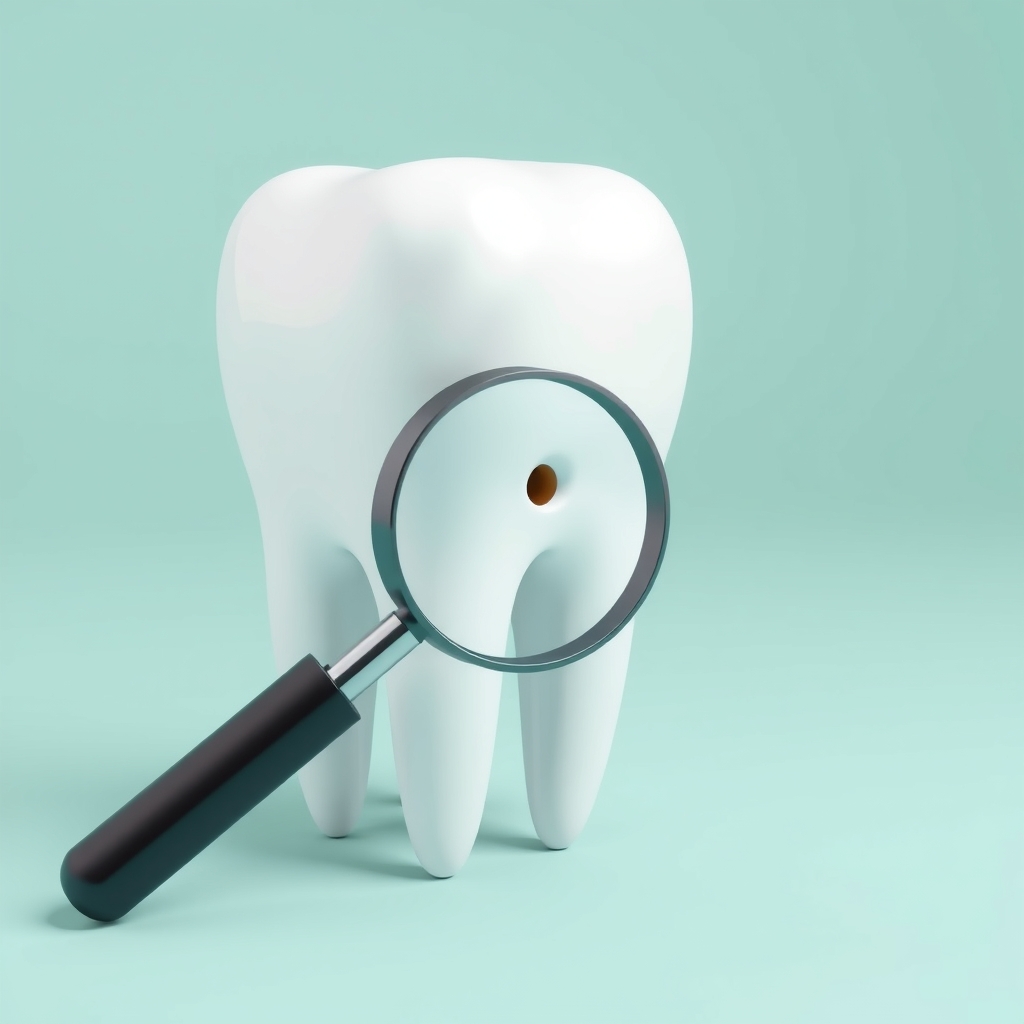
- A brown, grey, or black spot, especially in the grooves of back teeth or between teeth
- A rough or sticky feeling when you run your tongue over a tooth
- Mild sensitivity to cold, sweet, or hot that was not there before
- A dull ache that comes and goes, particularly after eating
- Food repeatedly getting stuck in the same spot between two teeth
If any of these sound familiar, it does not automatically mean you need a root canal. Many small cavities are managed comfortably with a simple filling if caught in time, which is why an early visit matters.
Practical Ways to Prevent Decay From Progressing
Whether you suspect an early cavity or simply want to avoid one, these habits make a real difference:
- Brush twice daily with fluoride toothpaste. Fluoride helps remineralise weak spots in enamel before they turn into true cavities.
- Clean between teeth daily. Floss or interdental brushes remove plaque from areas a toothbrush cannot reach, especially between back teeth where cavities commonly start.
- Limit frequent snacking and sugary drinks. It is not just how much sugar you eat, but how often. Fewer acid attacks give your enamel time to recover.
- Chew sugar-free gum or drink water after meals. This helps stimulate saliva and rinse away food particles when brushing right away is not possible.
- Do not ignore sensitivity or rough patches. Get them checked rather than waiting for pain, since pain usually means decay has already reached deeper layers.
- Keep up with regular dental check-ups. Many cavities are spotted on a routine exam or X-ray long before you would notice any symptoms at home.
Typical Cost Considerations
Treatment cost depends heavily on how early a cavity is caught. As a general guide for patients in Indirapuram, Ghaziabad, a simple filling for early to moderate decay tends to fall in a typical range of Rs 1,500 to Rs 4,000 per tooth, while a tooth that has progressed to needing root canal treatment usually falls in a higher typical range due to the additional steps involved. These are general figures only, and your dentist can give you a clearer picture after an actual examination.
| Stage of Decay | What It Looks Like | Usual Treatment |
|---|---|---|
| Early enamel demineralisation | White or chalky patch, no pain | Fluoride treatment, better hygiene |
| Early cavity | Small dark spot, mild sensitivity | Simple filling |
| Deep decay | Visible hole, pain while chewing | Larger filling or crown |
| Decay reaching the nerve | Lingering pain, swelling, or sensitivity to hot | Root canal treatment |
Cavities rarely appear overnight, and they rarely heal themselves once past the earliest stage. The best approach is to notice the small signs, such as a rough patch, a spot of discolouration, or new sensitivity, and have them looked at before they turn into something that hurts. A short visit now is almost always simpler than the treatment needed later.
Have questions about your teeth?
Dr Urvashi Verma's Dental Clinic · Jaipuria Sunrise Plaza, Ahinsa Khand 1, Indirapuram
Frequently asked questions
Can a cavity heal on its own without a filling?
Very early decay that has only affected the outer enamel layer can sometimes be stopped and even remineralised with fluoride and better oral hygiene. Once the decay has reached the deeper dentin layer, it cannot heal on its own and needs a filling to stop it from spreading.
Why do I suddenly have a cavity as an adult if I never had one as a child?
Adult mouths change over time. Receding gums expose root surfaces that decay faster than enamel, old fillings can develop small gaps at the edges, and dry mouth from medications or age reduces the saliva that naturally protects teeth. All of these raise the risk of new cavities later in life.
Is tooth sensitivity to cold always a sign of a cavity?
Not always. Sensitivity can also come from worn enamel, gum recession, or a cracked filling. However, if sensitivity is new, is getting worse, or is limited to one specific tooth, it is worth having it checked so a cavity can be ruled out early.
How often should I get a dental check-up to catch cavities early?
For most adults, a check-up every six months is a good routine, since early decay often has no pain and is only visible on examination or an X-ray. If you have a history of cavities, dry mouth, or gum recession, your dentist may suggest more frequent visits.
Treatment costs mentioned on this page are indicative ranges for the Indirapuram, Ghaziabad region. Your exact cost depends on your case and will be confirmed after a clinical examination at the clinic.