Space Maintainers After Early Tooth Loss: A Parent's Guide
If your child has lost a baby tooth earlier than expected, whether from a fall, decay, or an infection, your dentist may recommend a space maintainer. Many parents in Indirapuram are unfamiliar with this small device and wonder if it is truly necessary. This article explains what space maintainers are, why timing matters, and how they help your child's permanent teeth come in properly.
Why Baby Teeth Losing Early Is a Concern
Baby teeth are not just placeholders for looks. They guide the permanent teeth growing underneath the gums into their correct position. Each baby tooth holds a specific amount of space until the adult tooth is ready to erupt, usually at a particular age.
When a baby tooth falls out too soon, whether due to a cavity that went untreated, trauma from a fall, or an abscess, the space it leaves behind does not stay empty for long. Neighbouring teeth naturally start to shift into that gap, sometimes within just a few weeks.
What Is a Space Maintainer?
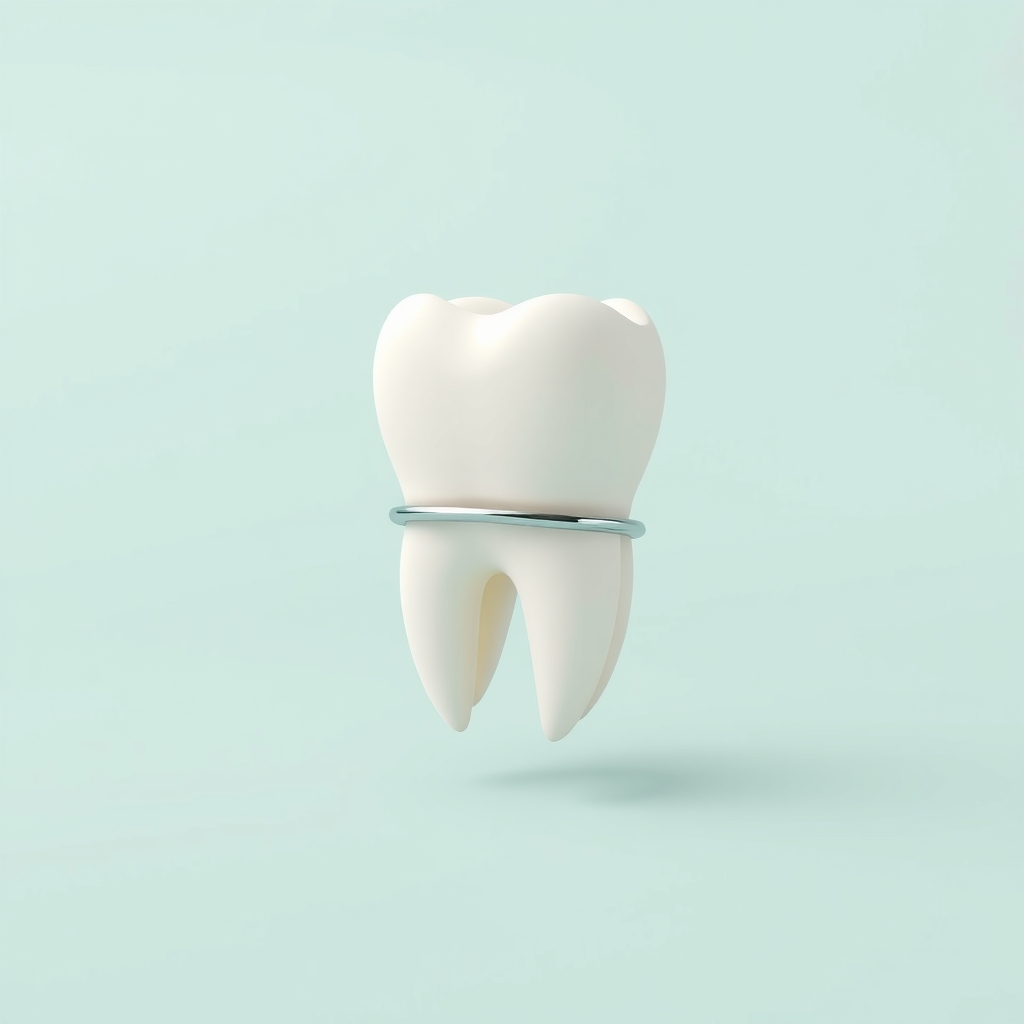
A space maintainer is a small custom-made appliance, usually made of metal or a combination of metal and acrylic, that is fitted into the gap left by the missing tooth. Its only job is to hold that space open until the permanent tooth is ready to erupt naturally.
There are two broad types commonly used for children:
- Fixed space maintainers, which are cemented onto the adjacent teeth and stay in place until removed by the dentist.
- Removable space maintainers, similar to a small retainer, which the child can take out for cleaning but must wear as advised.
The choice depends on the child's age, which tooth was lost, oral hygiene habits, and how cooperative the child is likely to be with a removable device.
How Space Maintainers Prevent Crowding and Misalignment
Without a space maintainer, the teeth next to the gap tend to tilt or drift sideways to fill the empty space. Once this happens, there may not be enough room left for the permanent tooth to erupt in its natural position. This often results in:
- Crowded or overlapping teeth
- Permanent teeth erupting sideways or getting stuck below the gum (impacted teeth)
- A shift in the bite that may need orthodontic correction later
By holding the space open, a space maintainer allows the permanent tooth a clear, unobstructed path to erupt where it should. This simple step now can reduce the chances of your child needing extensive orthodontic treatment in the future.
When Is a Space Maintainer Actually Needed?
Not every early tooth loss requires one. Your dentist will consider factors such as:
- Which tooth was lost and how soon the permanent tooth is expected
- How much time remains before natural eruption
- Whether there are already signs of neighbouring teeth shifting
- Your child's overall dental development and bite
For example, if a baby molar is lost very close to when the permanent tooth was going to erupt anyway, a maintainer may not be necessary. But if the loss happens years ahead of schedule, a maintainer is usually advised.
The Fitting Process
Getting a space maintainer fitted is generally a straightforward, comfortable process for children. It typically involves:
- An examination and often an X-ray to check the position of the developing permanent tooth
- Taking a small impression or scan of the child's teeth
- Fitting the custom-made appliance in a follow-up visit
- Periodic reviews to monitor the space and check the appliance is intact
Caring for a Space Maintainer
Good oral hygiene remains important while your child wears a space maintainer. Simple habits go a long way:
- Brushing twice daily, being gentle around the appliance
- Avoiding sticky sweets, chewing gum, or hard foods that could bend or dislodge it
- Attending scheduled check-ups so the dentist can monitor the space and remove the maintainer at the right time
| Aspect | Typical Range in Indirapuram, Ghaziabad |
|---|---|
| Consultation and X-ray | Typical range, varies by clinic assessment |
| Fixed space maintainer | Typical range, depends on type and material used |
| Removable space maintainer | Typical range, may vary with follow-up needs |
Exact costs depend on your child's specific case, so it is best to get a clear estimate during the consultation rather than relying on general figures.
A Simple Step With Long-Term Benefits
Losing a baby tooth early can feel like a minor incident, but it has a real impact on how the rest of the teeth develop. A timely visit to a dentist familiar with paediatric dental care can help decide whether a space maintainer is right for your child, giving their permanent teeth the best chance to grow in properly aligned.
Have questions about your teeth?
Dr Urvashi Verma's Dental Clinic · Jaipuria Sunrise Plaza, Ahinsa Khand 1, Indirapuram
Frequently asked questions
Does putting in a space maintainer hurt my child?
No. The procedure is painless and usually takes one short visit. Your child may feel mild pressure while the device is fitted, but there is no drilling or injection involved in most cases.
How long does a child need to wear a space maintainer?
It varies, but generally the maintainer stays in place until the permanent tooth is ready to erupt, which your dentist tracks with periodic check-ups. This can range from several months to a couple of years.
Can my child eat normally with a space maintainer?
Yes, most children adjust within a few days and eat normally. We do recommend avoiding very sticky or hard foods that could dislodge the device.
What happens if we skip the space maintainer altogether?
Neighbouring teeth can drift into the empty gap over weeks or months, which often leads to crowding, misalignment, or delayed eruption of the permanent tooth, sometimes requiring braces later.
Treatment costs mentioned on this page are indicative ranges for the Indirapuram, Ghaziabad region. Your exact cost depends on your case and will be confirmed after a clinical examination at the clinic.