How Chronic Mouth Breathing Affects Your Child's Jaw and Teeth
Many parents notice their child sleeping with their mouth open or breathing through the mouth during the day and assume it is just a habit that will pass. In reality, chronic mouth breathing can quietly influence how a child's jaw grows and how their teeth come in. Recognising it early can make a real difference to your child's facial development and oral health.
Why Nose Breathing Matters for Growing Children
Normally, children breathe through the nose with their lips gently closed and the tongue resting against the roof of the mouth. This tongue position helps guide the upper jaw to grow wide and well shaped. When a child breathes through the mouth instead, the tongue drops down and forward, and the lower jaw hangs open. Over months and years, this changes the pattern of facial growth.
Common Causes of Chronic Mouth Breathing
- Enlarged adenoids or tonsils blocking the airway
- Chronic allergies or sinus congestion
- A deviated nasal septum or narrow nasal passages
- Persistent thumb sucking or pacifier use affecting airway posture
- Simple habit that has continued even after a cold has cleared
How It Affects Jaw Growth and Teeth Alignment
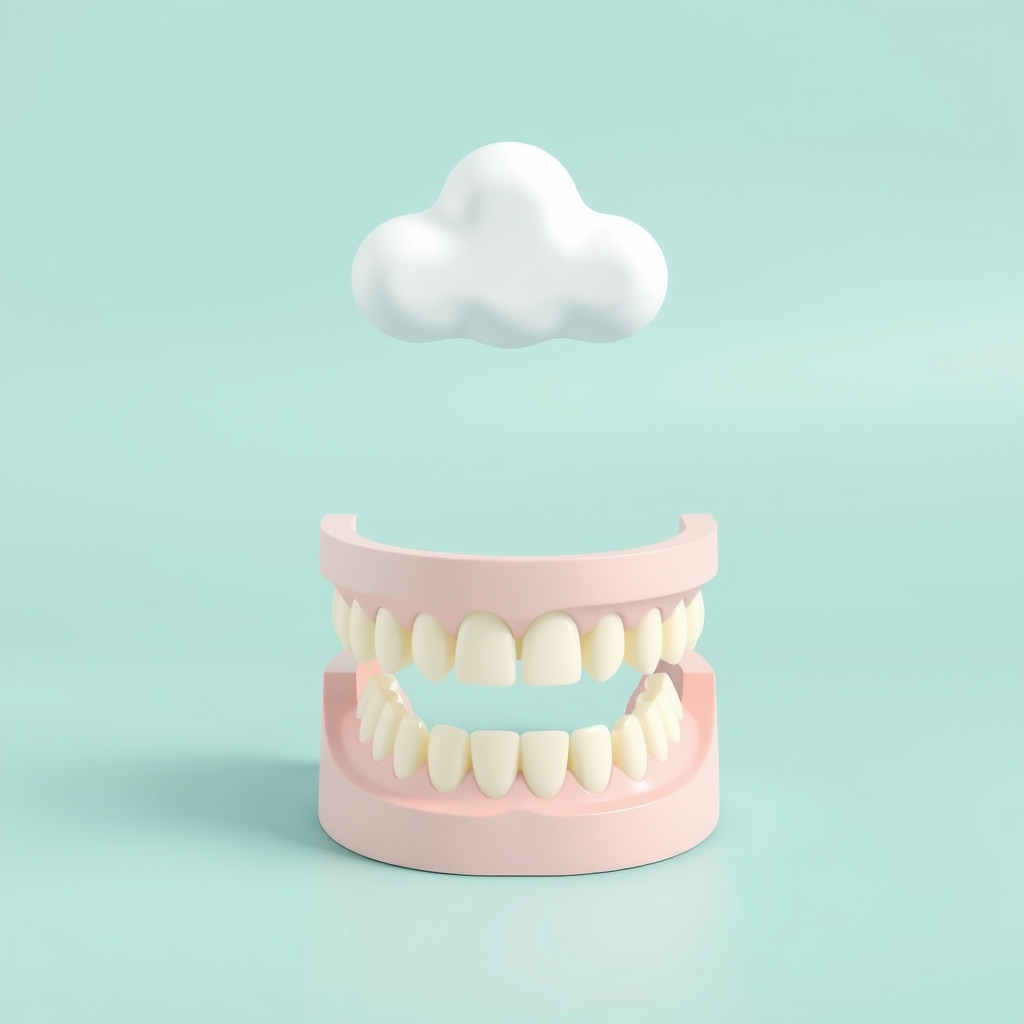
When the mouth stays open for long periods, the upper jaw does not get the natural widening support from the tongue. This can lead to a narrow, high arched palate. A narrow upper jaw often does not have enough room for all the teeth, which can cause crowding, crossbites, and a longer, more forward facial appearance often described as an "adenoid face."
The lower jaw can also be affected, sometimes growing further back than ideal. This can lead to an open bite, where the front upper and lower teeth do not meet when the child bites down, or a bite where the upper front teeth protrude noticeably.
| Possible Effect | What Parents May Notice |
|---|---|
| Narrow upper jaw | Crowded or crooked teeth as permanent teeth erupt |
| Open bite | Front teeth do not touch when biting |
| Forward upper teeth | Protruding front teeth, lips that do not close easily |
| Long facial pattern | Longer face shape, dark circles under eyes, dry lips |
| Dry mouth | More cavities, bad breath, gum irritation |
Signs Parents Should Watch For
- Lips apart at rest, even when not talking or eating
- Snoring or restless sleep with the mouth open
- Dry, cracked lips, especially in the morning
- Dark circles under the eyes
- Frequent morning bad breath
- Daytime tiredness, trouble concentrating, or irritability
- Complaints of dry mouth or frequent throat clearing
- Visible narrowing of the dental arch or crowding as new teeth come in
Why Mouth Breathing Also Raises Cavity and Gum Risk
Saliva plays an important role in washing away food particles and neutralising acids in the mouth. When the mouth stays open for long stretches, especially during sleep, it dries out. This dryness makes it easier for plaque to build up, increasing the risk of cavities and gum inflammation, particularly around the front teeth.
When to See a Dentist
If your child regularly breathes through their mouth, snores, or shows any of the signs above for more than a few weeks without a cold, it is worth getting them examined. A dentist can check the shape of the palate, the bite, and how the teeth are aligning, and will often work alongside an ENT specialist if nasal blockage or enlarged tonsils and adenoids seem to be the underlying cause.
Early evaluation, ideally between ages 5 and 10 while the jaw is still growing, gives the best chance of guiding growth in a healthy direction with simpler treatment. Waiting until all permanent teeth have erupted can mean more complex orthodontic correction later.
What Treatment May Involve
Treatment depends on the cause. If enlarged tonsils or adenoids are blocking the airway, ENT treatment or surgery may be recommended first. For habit related mouth breathing, myofunctional exercises that retrain tongue and lip posture can help. Dentally, some children benefit from an expander to widen a narrow upper jaw, or early orthodontic guidance to support normal alignment as adult teeth come in.
If you are in Indirapuram, Ghaziabad and have noticed your child breathing through their mouth regularly, a dental check up can help identify whether it is affecting jaw growth or tooth alignment, and guide you toward the right next steps.
Have questions about your teeth?
Dr Urvashi Verma's Dental Clinic · Jaipuria Sunrise Plaza, Ahinsa Khand 1, Indirapuram
Frequently asked questions
Is occasional mouth breathing during a cold normal?
Yes. Breathing through the mouth during a blocked nose or seasonal cold is normal and not a cause for concern. The issue is when it becomes a regular habit even when your child is otherwise well, lasting for months.
Can mouth breathing be reversed once a child stops?
If caught early, especially before or during the growth spurt years, the jaw and facial pattern can often improve once nasal breathing is restored and any needed dental or orthodontic guidance is followed. The earlier it is addressed, the better the outcome.
Does thumb sucking cause the same problems as mouth breathing?
They can have overlapping effects, both may narrow the upper jaw and push teeth forward, but the underlying cause is different. A dentist will check for both habits since children sometimes have more than one.
Which doctor should we see first, a dentist or an ENT?
It is reasonable to start with either. A dentist can assess jaw growth, bite, and oral signs, and will refer you to an ENT if nasal blockage, tonsils, or adenoids need evaluation. Often both specialists work together on these cases.
Treatment costs mentioned on this page are indicative ranges for the Indirapuram, Ghaziabad region. Your exact cost depends on your case and will be confirmed after a clinical examination at the clinic.