Oil Pulling and Oral Health: What the Evidence Actually Shows
If you grew up in an Indian household, chances are someone has told you to try oil pulling for healthier teeth and gums. This traditional Ayurvedic practice has seen a global revival, with claims ranging from whiter teeth to detoxifying the entire body. As dentists treating patients across Indirapuram, Ghaziabad, we are often asked a simple question: does it actually work? Here is an honest, evidence-based look.
What Is Oil Pulling?
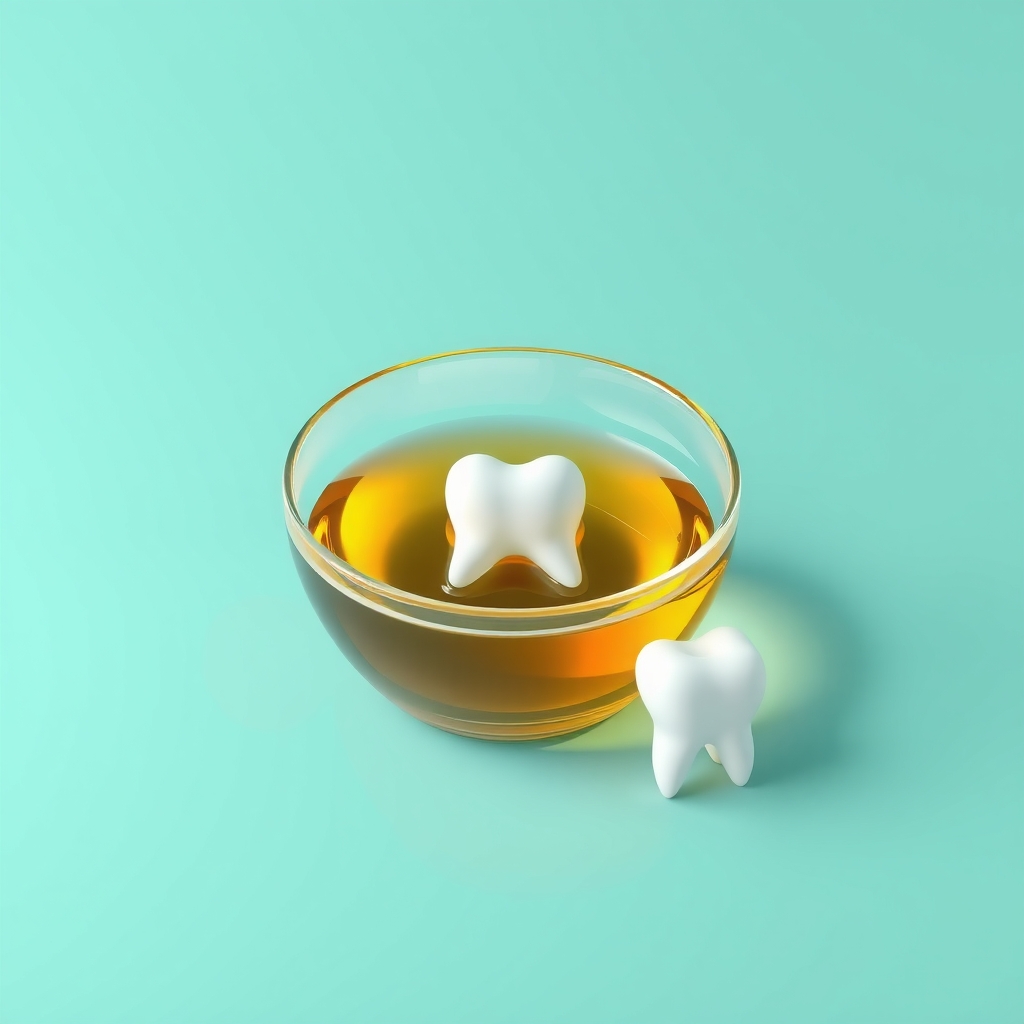
Oil pulling involves swishing a tablespoon of oil, usually coconut, sesame, or sunflower oil, around the mouth for several minutes before spitting it out. The idea is that the oil "pulls" bacteria and toxins from the mouth. It has been used in Ayurvedic medicine for centuries, often recommended alongside other oral hygiene rituals.
What the Evidence Actually Shows
Several small clinical studies have looked at oil pulling, mostly with coconut or sesame oil. The findings are modest but not meaningless.
- Some studies show a reduction in plaque and gingivitis when oil pulling is used alongside regular brushing, compared to brushing alone.
- Coconut oil contains lauric acid, which has mild antimicrobial properties against certain oral bacteria in laboratory settings.
- Most studies are small, short-term, and lack the rigorous design needed to draw strong conclusions.
- There is no credible evidence that oil pulling removes cavities, reverses decay, whitens teeth, or "detoxifies" the body in any meaningful way.
In short, oil pulling may offer a small, additional reduction in plaque and surface bacteria for some people, but it is not a substitute for proven dental care.
What Oil Pulling Cannot Do
It is important to be clear about the limits of this practice:
- It cannot remove tartar (hardened plaque) that has already formed on teeth.
- It cannot treat cavities, gum disease, or infections once they have developed.
- It does not provide fluoride, which is essential for strengthening enamel and preventing decay.
- It is not a reliable teeth-whitening method.
- It cannot replace a professional dental cleaning or checkup.
How It Compares to Standard Dental Care
| Practice | Evidence Level | What It Addresses |
|---|---|---|
| Brushing twice daily with fluoride toothpaste | Strong, well established | Plaque removal, cavity prevention, enamel strength |
| Flossing or interdental cleaning | Strong | Plaque between teeth, gum health |
| Professional scaling and cleaning | Strong | Tartar removal, early gum disease |
| Oil pulling | Limited, preliminary | Possible mild reduction in plaque and bacteria |
As the table shows, oil pulling sits in a very different category from brushing, flossing, and professional cleanings. Those three remain the backbone of good oral health, backed by decades of research.
Is There Any Harm in Trying It?
For most healthy adults, occasional oil pulling is unlikely to cause harm, provided it is done sensibly. A few points to keep in mind:
- Never swallow the oil, as it contains bacteria and debris pulled from the mouth.
- It should always be used in addition to, not instead of, brushing and flossing.
- Avoid oil pulling if you have difficulty swishing liquids safely, such as very young children or those with swallowing difficulties.
- If you have existing dental problems like cavities or gum disease, oil pulling will not resolve them. A dental visit is still necessary.
Our Honest Recommendation
At Dr Urvashi Verma's Dental Clinic in Indirapuram, we believe in giving patients accurate, balanced information rather than dismissing traditional practices outright or overselling them. If you enjoy oil pulling as part of your routine and find it comfortable, there is likely no harm in continuing it as a supplement to your care. However, it should never delay a visit to the dentist if you notice pain, bleeding gums, bad breath that does not go away, or visible decay.
The most reliable path to good oral health remains consistent brushing with fluoride toothpaste, daily flossing, a balanced diet low in sugary snacks, and regular dental checkups and cleanings. These habits, supported by strong scientific evidence, do far more for your teeth and gums than any single home remedy.
If it has been more than six months since your last checkup, or if you have questions about your oral hygiene routine, our team at Jaipuria Sunrise Plaza, Ahinsa Khand 1, Indirapuram is happy to guide you with an honest assessment tailored to your mouth.
Have questions about your teeth?
Dr Urvashi Verma's Dental Clinic · Jaipuria Sunrise Plaza, Ahinsa Khand 1, Indirapuram
Frequently asked questions
Can oil pulling replace brushing and flossing?
No. There is no evidence that oil pulling cleans teeth as effectively as brushing with fluoride toothpaste and flossing. It should only ever be used alongside these habits, never instead of them.
Does oil pulling whiten teeth?
There is no reliable scientific evidence that oil pulling whitens teeth. Any mild surface change some people notice is more likely from removing surface plaque, not actual whitening of the tooth structure.
Is oil pulling safe for everyone?
It is generally safe for most adults when done correctly, but it is not recommended for young children due to the risk of swallowing or choking on the oil.
How long should an oil pulling session last?
Traditional practice suggests swishing for 10 to 15 minutes, though many people find this difficult. Even shorter sessions are unlikely to cause harm, but will not provide extra benefit beyond what brushing and flossing already offer.
Treatment costs mentioned on this page are indicative ranges for the Indirapuram, Ghaziabad region. Your exact cost depends on your case and will be confirmed after a clinical examination at the clinic.