Types of Bite Misalignment and How They Are Treated
Many people in Indirapuram notice something feels "off" when they bite down, whether it is teeth that don't quite meet, a jaw that clicks, or a smile that looks slightly crooked. These are often signs of bite misalignment, also called malocclusion. Understanding which type you have can help you know what to expect before you see a dentist.
What Is Bite Misalignment?
A healthy bite means your upper and lower teeth meet evenly and comfortably when your jaw is closed. When teeth or jaws don't line up the way they should, it is called malocclusion. This can affect chewing, speech, jaw comfort, and the way teeth wear over time.
Overbite
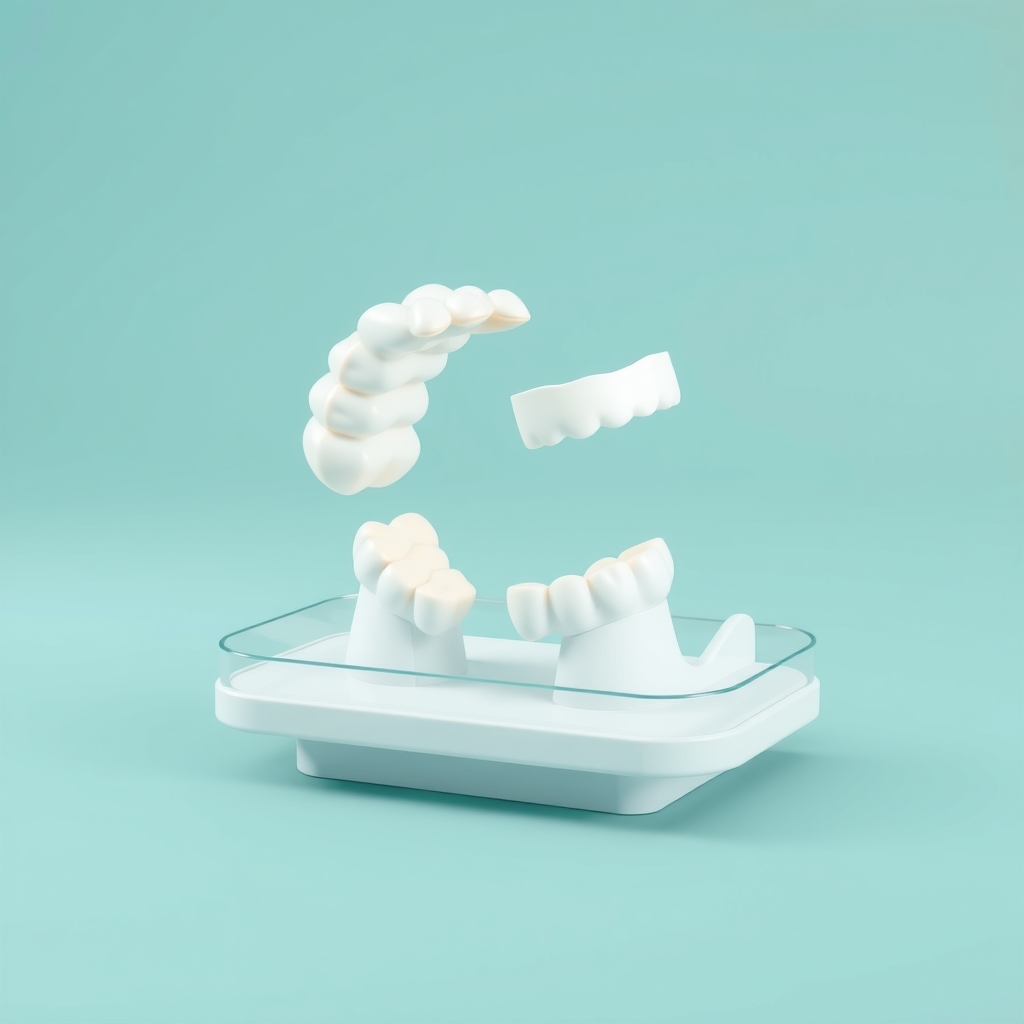
An overbite happens when the upper front teeth extend too far over the lower front teeth. A small amount of overlap is normal, but a deep overbite can cause the lower teeth to bite into the gum tissue behind the upper teeth, leading to gum irritation and uneven wear.
Common signs
- Upper teeth cover most or all of the lower front teeth when biting
- Jaw discomfort or clicking
- Excess wear on lower front teeth
Underbite
An underbite is the opposite: the lower front teeth sit in front of the upper teeth. This is often related to jaw size or position rather than the teeth alone, and it can affect chewing efficiency and facial profile.
Common signs
- Lower jaw appears to jut forward
- Difficulty biting into food evenly
- Speech that sounds slightly different, especially with certain sounds
Crossbite
A crossbite occurs when some upper teeth sit inside the lower teeth instead of outside, either on one side or both. It can affect just a few teeth or the whole arch, and if left untreated, it may lead to uneven jaw growth or premature tooth wear on one side.
Common signs
- Teeth that look shifted to one side when biting
- Jaw shifting noticeably when opening or closing the mouth
- Uneven wear patterns on one side of the mouth
Open Bite
In an open bite, the upper and lower front teeth don't touch at all when the back teeth are closed together, leaving a visible gap. This is often linked to habits like prolonged thumb sucking, tongue thrusting, or certain jaw growth patterns.
Common signs
- Visible gap between upper and lower front teeth when biting down
- Difficulty biting through food like rotis or apples
- Speech difficulties, particularly with certain letters
How Bite Problems Are Diagnosed
A dentist typically checks bite alignment through a combination of the following:
- A visual and physical exam of how your teeth meet when you bite
- Checking jaw movement and listening for clicking or discomfort
- Dental X-rays to see tooth roots and jaw bone position
- Photographs or bite impressions to study the alignment in detail
This assessment helps determine whether the issue is with tooth position, jaw position, or a combination of both, which affects the treatment approach.
Treatment Options
Treatment depends on the type and severity of misalignment, as well as the patient's age.
| Bite Type | Possible Treatment Approaches |
|---|---|
| Overbite | Braces, clear aligners, growth appliances in children |
| Underbite | Braces or aligners, jaw growth guidance in children, orthognathic evaluation in severe adult cases |
| Crossbite | Palatal expanders in children, braces or aligners in older patients |
| Open Bite | Habit correction, myofunctional guidance, braces or aligners |
Mild cases in adults may sometimes be managed with minor adjustments rather than full orthodontic treatment. Your dentist will explain the realistic options for your specific bite pattern after examination.
When to See a Dentist
If you notice difficulty chewing, jaw pain, unusual tooth wear, or a visible gap or shift in your bite, it is worth getting it checked. Bite issues generally do not improve on their own and can gradually worsen without attention.
At Dr Urvashi Verma's Dental Clinic in Jaipuria Sunrise Plaza, Ahinsa Khand 1, Indirapuram, we assess bite concerns for patients across Indirapuram and Ghaziabad and explain treatment paths in plain language before you decide on next steps.
Have questions about your teeth?
Dr Urvashi Verma's Dental Clinic · Jaipuria Sunrise Plaza, Ahinsa Khand 1, Indirapuram
Frequently asked questions
Can adults get their bite corrected, or is it too late after childhood?
Adults can absolutely get bite issues corrected. While early treatment in childhood can guide jaw growth more easily, braces, clear aligners, and other options work well for adult jaws too. Your dentist will assess what suits your specific case.
Does a slightly misaligned bite always need treatment?
Not always. Mild bite irregularities that do not cause pain, wear, or speech issues may just need monitoring. Treatment is usually recommended when there is discomfort, visible wear on teeth, jaw strain, or difficulty chewing or speaking.
How do I know if I have an overbite or an underbite?
In an overbite, your upper front teeth sit noticeably in front of your lower teeth when you bite down. In an underbite, the lower front teeth sit in front of the upper teeth. A simple way to check is to bite normally and look in the mirror from the side.
Will I definitely need braces to fix my bite?
Not necessarily. Depending on severity and age, treatment could involve clear aligners, braces, a retainer, jaw growth appliances, or in some adult cases, minor dental adjustments. A proper exam and X-rays will tell you what fits your situation.
Treatment costs mentioned on this page are indicative ranges for the Indirapuram, Ghaziabad region. Your exact cost depends on your case and will be confirmed after a clinical examination at the clinic.