Gum Disease Stages: From Gingivitis to Periodontitis
Gum disease rarely appears overnight. It moves through clear stages, and catching it early makes a real difference to whether you keep your natural teeth. If you have noticed bleeding while brushing, puffy gums, or teeth that feel a little loose, understanding where you stand can help you make the right decision about treatment.
Stage 1: Gingivitis
Gingivitis is the earliest and mildest stage of gum disease. It is caused by plaque, a sticky film of bacteria that builds up along the gum line when brushing and flossing are not thorough enough.
Warning signs
- Gums that look red or puffy instead of pale pink
- Bleeding when you brush or floss
- Mild bad breath that does not go away with brushing
At this stage, there is no bone loss and no permanent damage. Gingivitis is fully reversible with a professional cleaning and better daily oral hygiene.
Stage 2: Early Periodontitis
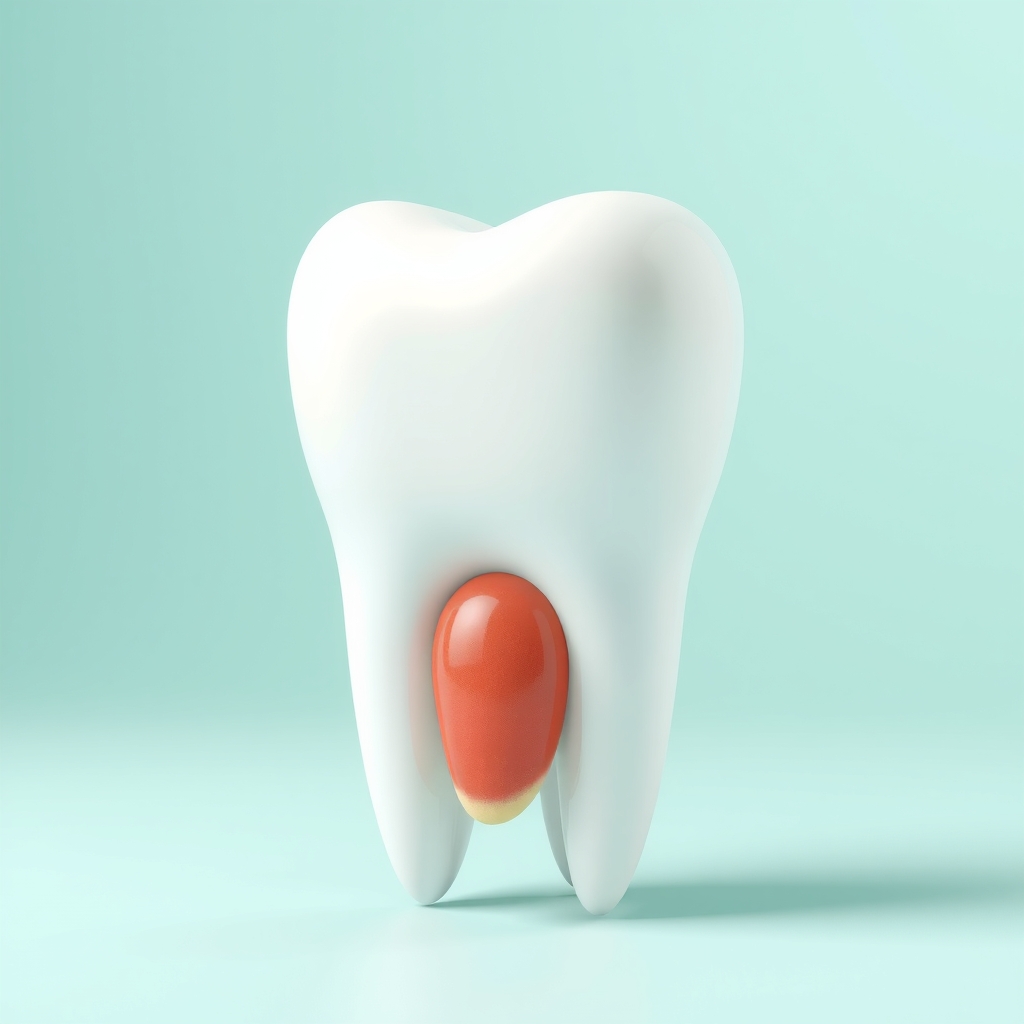
If gingivitis is left untreated, bacteria and plaque push deeper below the gum line, forming pockets between the teeth and gums. This is when the disease starts affecting the bone that supports your teeth.
Warning signs
- Gums that look slightly pulled back from the teeth
- Persistent bad breath or a bad taste in the mouth
- Mild tenderness or bleeding that continues despite brushing carefully
This stage needs professional treatment, usually scaling and root planing, often called deep cleaning, to clean out the pockets and allow gums to heal and reattach where possible.
Stage 3: Moderate Periodontitis
Without treatment, pocket depth increases further and more bone support is lost. Teeth may start to feel slightly loose, and gum recession becomes more noticeable.
Warning signs
- Teeth that look longer because gums have receded
- Gaps forming between teeth that were not there before
- Gums that bleed easily and may feel sore or swollen
- Pus near the gum line in some cases
Deep cleaning is still important here, but it is often paired with closer monitoring and sometimes localised antibiotic treatment to control the infection.
Stage 4: Advanced Periodontitis
This is the most serious stage, where significant bone loss has occurred and teeth may become genuinely loose or shift position. Chewing can become uncomfortable, and without intervention, tooth loss becomes a real risk.
Warning signs
- Noticeably loose or shifting teeth
- Deep gum pockets and significant recession
- Pain while chewing
- Visible gaps and changes in how the teeth bite together
Treatment at this stage may include surgical options such as flap surgery to clean deep pockets, or bone and tissue grafting to help rebuild lost support. In some cases, badly affected teeth may need to be extracted to protect the surrounding bone and teeth.
Treatment Options at a Glance
| Stage | Typical Treatment |
|---|---|
| Gingivitis | Professional cleaning, improved home care |
| Early Periodontitis | Scaling and root planing (deep cleaning) |
| Moderate Periodontitis | Deep cleaning, localised antibiotics, close follow-up |
| Advanced Periodontitis | Gum surgery, bone grafting, possible extraction |
Cost Considerations
Treatment cost depends on how many teeth are affected and how advanced the disease is. As a general guide for patients in Indirapuram, Ghaziabad, a typical range for scaling and root planing per quadrant is often quoted, while surgical procedures like flap surgery or grafting fall into a higher typical range due to the additional time and materials involved. Your dentist can give you a proper estimate only after examining your gums and taking X-rays.
Why Early Action Matters
The earlier gum disease is caught, the simpler and more affordable the treatment tends to be. Gingivitis can be fully reversed, but once bone loss begins, the goal shifts to stopping further damage rather than reversing what has already happened. Regular dental check-ups make it much easier to catch the disease at a stage where treatment is straightforward and non-surgical.
If you live near Indirapuram or elsewhere in Ghaziabad and have noticed any of the warning signs mentioned above, it is worth getting your gums assessed sooner rather than later. A simple check now can prevent much bigger problems down the road.
Have questions about your teeth?
Dr Urvashi Verma's Dental Clinic · Jaipuria Sunrise Plaza, Ahinsa Khand 1, Indirapuram
Frequently asked questions
Can gingivitis be reversed completely?
Yes. Gingivitis is reversible with a professional cleaning and consistent brushing and flossing at home. There is usually no lasting damage at this stage.
Is periodontitis curable?
Periodontitis cannot be fully cured because lost bone does not grow back on its own, but it can be controlled. With proper treatment and maintenance, further damage can be stopped and teeth can often be kept for years.
How do I know if my gum disease has reached the advanced stage?
Warning signs include loose teeth, gums that have pulled away leaving longer-looking teeth, pus near the gum line, persistent bad breath, and teeth shifting or developing gaps. If you notice these, see a dentist promptly.
Does deep cleaning hurt?
Scaling and root planing is done with local anaesthesia, so the procedure itself is not painful. Mild soreness for a day or two afterward is normal and manageable with routine care.
Treatment costs mentioned on this page are indicative ranges for the Indirapuram, Ghaziabad region. Your exact cost depends on your case and will be confirmed after a clinical examination at the clinic.