Diabetes and Your Gums: What Patients in Indirapuram Should Know
Diabetes and oral health are more closely linked than most people realise. If you are living with diabetes in Indirapuram or nearby areas of Ghaziabad, understanding this connection can help you protect your teeth and gums and avoid complications that are harder to treat once they progress.
Why diabetes affects your gums
High blood sugar levels change the way your body responds to bacteria in the mouth. Diabetes can reduce blood flow to the gums, weaken the immune response, and allow harmful bacteria in plaque to multiply more easily. Over time, this raises the risk of gingivitis and its more advanced form, periodontitis, which affects the bone and tissue supporting your teeth.
The relationship works both ways. Gum disease causes ongoing low grade inflammation in the body, which can make it harder to keep blood sugar levels stable. This is why dentists and physicians often encourage diabetic patients to treat gum problems promptly, not just for the sake of the teeth but for overall health as well.
Common gum problems seen in diabetic patients
- Red, swollen, or tender gums that bleed easily during brushing
- Gums that recede, making teeth look longer
- Persistent bad breath that does not improve with brushing
- Loose teeth or changes in how the bite feels
- Slow healing after cleanings, fillings, or minor gum injuries
Slower wound healing and higher infection risk
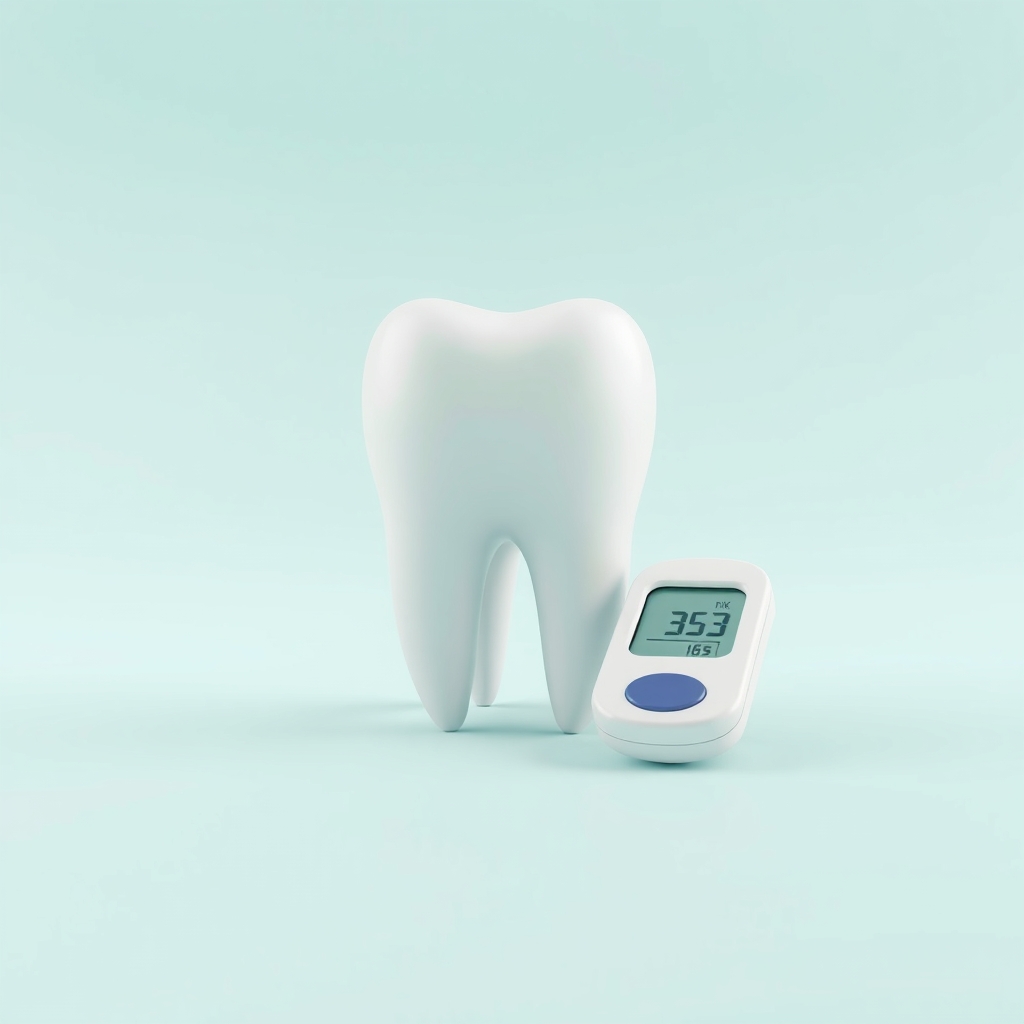
People with diabetes, especially when blood sugar is not well controlled, tend to heal more slowly after dental procedures such as extractions, gum treatment, or minor oral surgery. This happens because high blood sugar affects blood vessel function and reduces the efficiency of white blood cells that fight infection.
This does not mean diabetic patients cannot have dental treatment. It simply means that timing, blood sugar control, and aftercare matter more. Many dentists prefer to treat diabetic patients in the morning, when blood sugar tends to be more stable, and may ask about recent sugar readings before a procedure.
Infections that need quick attention
Diabetic patients should be alert to signs of infection such as swelling, pus, fever, or pain that gets worse instead of better after a dental procedure. Because healing is slower, infections can spread more easily if left untreated, so early reporting to your dentist is important rather than waiting to see if it settles on its own.
Dental care tips for diabetic patients in Ghaziabad
- Brush twice daily with a soft bristled brush and fluoride toothpaste, and clean between teeth once a day
- Try to keep blood sugar levels within the range advised by your physician, since this directly affects gum health
- Visit your dentist every three to four months for check ups and professional cleaning
- Tell your dentist about your diabetes, current medicines, and recent HbA1c or sugar readings at every visit
- Avoid smoking, as it further reduces blood flow to the gums and slows healing
- Stay hydrated and mention if you have a persistent dry mouth, as diabetes can reduce saliva flow, which normally helps protect teeth
- Do not delay treatment for cavities or gum infections, since small problems can progress faster in diabetic patients
What to expect during a dental visit
At a dental visit, your dentist will usually check your gums for bleeding, pockets, and bone loss, and may recommend deeper cleaning if periodontitis is present. For patients undergoing extractions or minor surgery, simple precautions such as morning appointments, confirming stable blood sugar beforehand, and clear aftercare instructions help lower the risk of complications.
| Situation | Typical dental approach |
|---|---|
| Well controlled diabetes, healthy gums | Routine check ups every 6 months, standard cleaning |
| Diabetes with mild gum inflammation | More frequent cleanings, closer monitoring of gum pockets |
| Diabetes with active gum disease | Deep cleaning (scaling and root planing), coordination with your physician if needed |
| Planned extraction or minor surgery | Blood sugar check before procedure, morning appointment, careful aftercare instructions |
With steady blood sugar control, good home care, and regular dental visits, most diabetic patients can maintain healthy gums and avoid serious complications. If you have diabetes and have not had a dental check up recently, it is worth scheduling one so any early gum changes can be managed before they progress.
Have questions about your teeth?
Dr Urvashi Verma's Dental Clinic · Jaipuria Sunrise Plaza, Ahinsa Khand 1, Indirapuram
Frequently asked questions
Can diabetes cause tooth loss?
Uncontrolled diabetes increases the risk of gum disease, which is a leading cause of tooth loss in adults. Good blood sugar control and regular dental care greatly reduce this risk.
How often should a diabetic patient visit the dentist?
Most dentists recommend a check up and cleaning every three to four months for diabetic patients, rather than the usual six months, so early gum problems can be caught sooner.
Is it safe to get a tooth extraction or implant if I have diabetes?
Yes, in most cases, provided your blood sugar is reasonably well controlled around the time of the procedure. Your dentist and physician may coordinate to plan timing and aftercare.
Does poor gum health affect blood sugar control?
Yes. Gum infections can make blood sugar harder to control, and high blood sugar makes gum infections worse. Treating gum disease often helps improve overall diabetes management.
Treatment costs mentioned on this page are indicative ranges for the Indirapuram, Ghaziabad region. Your exact cost depends on your case and will be confirmed after a clinical examination at the clinic.