Dental Sealants for Children: A Parent's Guide to Cavity Protection
Many parents in Indirapuram ask us how to protect their child's new permanent molars from cavities. One simple, well-tested solution is dental sealants. This article explains what sealants are, how they work, what the application process looks like, typical costs, and how long they last.
What Are Dental Sealants?
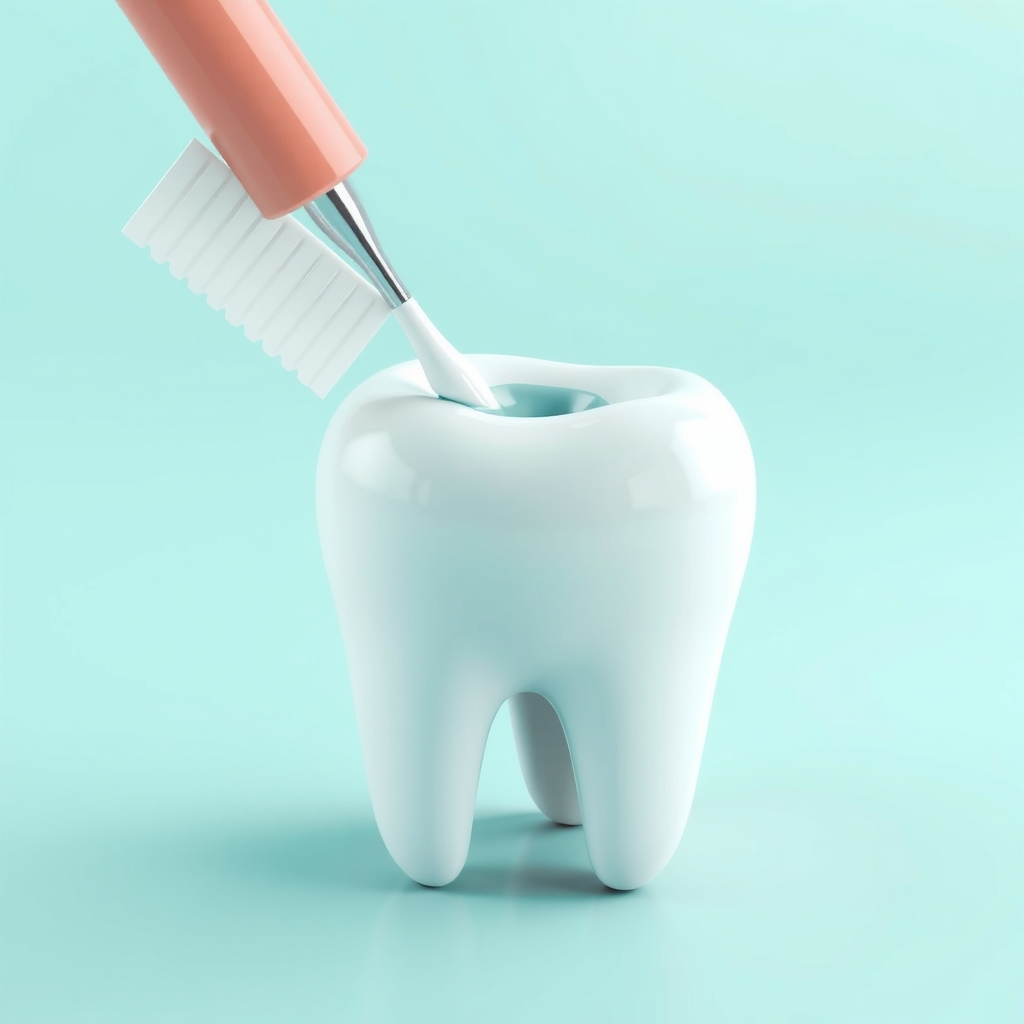
Dental sealants are thin, protective coatings applied to the chewing surfaces of back teeth, mainly the molars and premolars. These teeth have deep pits and grooves where food particles and bacteria can get trapped easily. Since these grooves are hard to clean fully even with careful brushing, they become common spots for early decay in children.
A sealant fills in these grooves, creating a smooth, protected surface that is much easier to keep clean. It acts as a barrier between the tooth enamel and the bacteria that cause cavities.
How Sealants Protect Your Child's Molars
Children's permanent molars usually start to appear around age 6, with a second set arriving around age 12. These new teeth have deep grooves that take time for a child to learn to clean properly. Sealants help in the following ways:
- They cover deep pits and fissures that toothbrush bristles cannot reach well.
- They reduce the surface area where plaque and food debris can build up.
- They lower the risk of cavities on the chewing surfaces of molars during the years children are still developing brushing habits.
Sealants are most effective when applied soon after the molars erupt, before any decay has had a chance to start.
The Application Process
Placing a dental sealant is a quick, painless, and non-invasive procedure. It generally involves these steps:
- Cleaning: The tooth surface is cleaned and dried thoroughly.
- Preparation: A mild acidic gel is applied briefly to slightly roughen the enamel, helping the sealant bond well. This is rinsed off after a short time.
- Drying: The tooth is dried again and kept isolated from saliva.
- Sealant application: The liquid sealant material is painted onto the grooves of the tooth.
- Curing: A special light is used to harden the sealant within seconds.
The entire process takes only a few minutes per tooth and does not require drilling, injections, or numbing. Most children find it a comfortable, easy visit.
How Long Do Sealants Last?
Dental sealants are durable and can protect molars for several years with proper care. On average, sealants last between 3 to 5 years, though some remain intact even longer. Regular dental checkups help us monitor the sealant and reapply it if it wears down or chips, which can happen naturally with daily chewing.
Cost of Dental Sealants in Indirapuram
The cost of sealants depends on the number of teeth being treated and the materials used. For families in Indirapuram, Ghaziabad, the typical range for dental sealants is approximately Rs 800 to Rs 1,500 per tooth. We recommend an in-person consultation for an accurate estimate based on your child's specific needs.
| Factor | Details |
|---|---|
| Best age for first sealants | 6 to 7 years, when first permanent molars erupt |
| Second round of sealants | 11 to 13 years, when second molars erupt |
| Procedure time | A few minutes per tooth |
| Average durability | 3 to 5 years |
| Typical cost range | Rs 800 to Rs 1,500 per tooth |
Are Sealants Right for Your Child?
Sealants are especially helpful for children who have deep grooves in their molars, a history of cavities, or difficulty maintaining thorough brushing habits. Even children with good oral hygiene can benefit from the extra layer of protection sealants provide during the years when new molars are most vulnerable.
If you are considering sealants for your child, a dental checkup can help determine which teeth would benefit most and confirm that the teeth are free of existing decay before the sealant is applied.
Have questions about your teeth?
Dr Urvashi Verma's Dental Clinic · Jaipuria Sunrise Plaza, Ahinsa Khand 1, Indirapuram
Frequently asked questions
At what age should my child get dental sealants?
Most dentists recommend sealants soon after the permanent first molars erupt, usually between ages 6 and 7, and again when the second molars come in around ages 11 to 13.
Do sealants hurt or need anaesthesia?
No. Placing a sealant is painless and does not require drilling or anaesthesia. Children usually find it a quick and comfortable visit.
Can sealants be placed on baby teeth?
Yes, in some cases sealants are placed on baby molars if a child has deep grooves and a higher risk of cavities, especially if the baby teeth need to stay healthy for several more years.
Do sealants replace brushing and flossing?
No. Sealants are an added layer of protection for the chewing surfaces of molars. Regular brushing, flossing, and dental checkups are still needed to prevent cavities on other tooth surfaces.
Treatment costs mentioned on this page are indicative ranges for the Indirapuram, Ghaziabad region. Your exact cost depends on your case and will be confirmed after a clinical examination at the clinic.