Can Ghaziabad's Hard Water Affect Your Teeth?
If you live in Indirapuram or elsewhere in Ghaziabad, you have probably noticed that your tap water feels different. It can leave white marks on steel utensils, make soap harder to lather, and leave a slightly chalky residue in your RO purifier's reject tank. Many patients at our Jaipuria Sunrise Plaza clinic ask whether this same hard, high-TDS water could be affecting their teeth. The honest answer is that it can play a small, indirect role, and it is worth understanding how.
What makes Ghaziabad's water "hard"
Hard water contains higher levels of dissolved minerals, mainly calcium and magnesium, along with a generally high Total Dissolved Solids (TDS) count. Groundwater in large parts of Ghaziabad, including Indirapuram, tends to fall into this category. This is why RO purifiers are so common in local homes.
When this water is used for drinking, cooking, or brushing, the extra minerals do not disappear. Some get consumed, and some get deposited on surfaces they touch repeatedly, including tooth enamel.
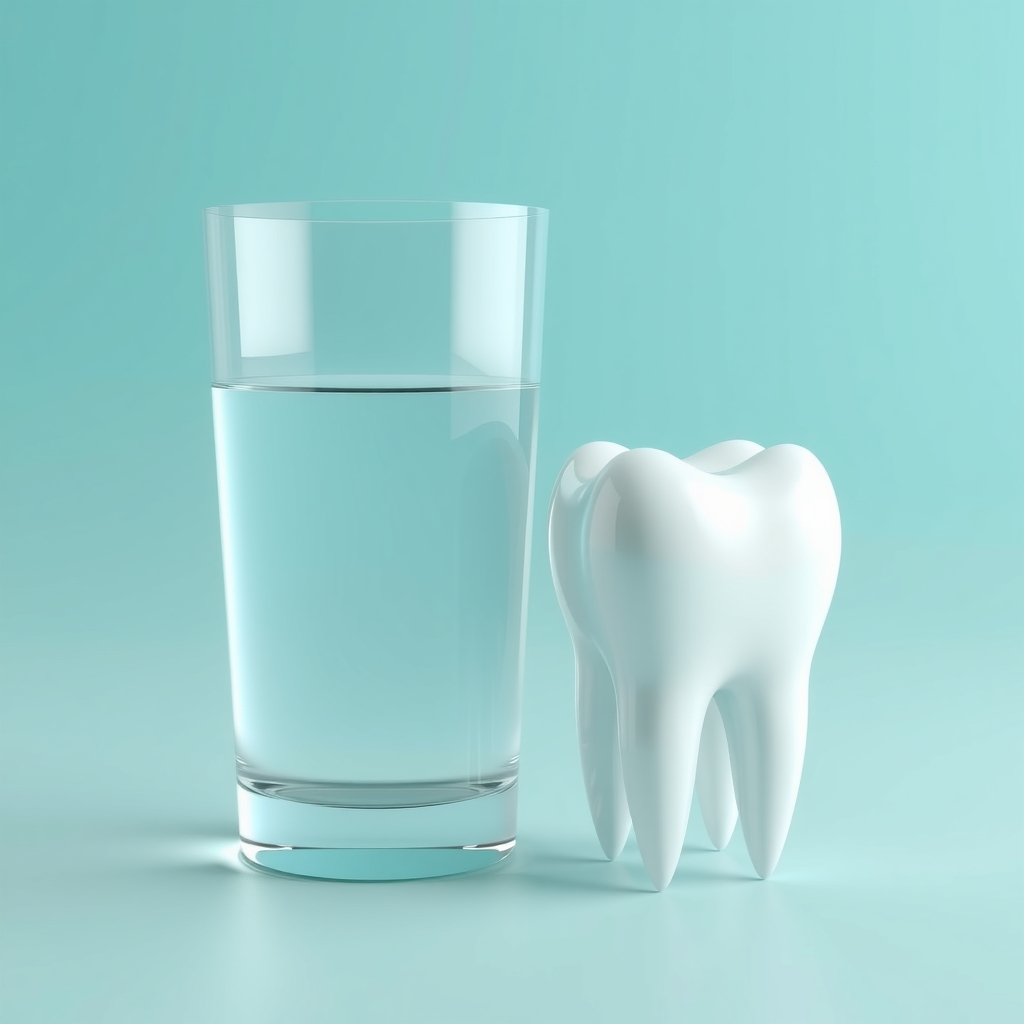
How hard water can affect your teeth
It is important to be clear here: hard water does not directly rot or damage teeth the way sugar or poor brushing does. Its effects are more subtle and build up over time.
- Mineral deposits on enamel: Repeated exposure to mineral-rich water can leave a thin film of calcium and magnesium salts on the tooth surface, similar to limescale on a tap. This film can trap pigments from tea, coffee, turmeric, and other foods more easily.
- Faster tartar buildup: Plaque that is not brushed away can harden into tartar (calculus) more readily when there are extra minerals available in the saliva and on the tooth surface. Tartar is rough and porous, so it holds stains and bacteria.
- Surface texture changes: Over years, a rougher, mineral-coated enamel surface can feel less smooth to the tongue and may appear duller or more yellow-tinged, even without any actual decay.
None of this means your water is "unsafe" for your teeth in a dangerous sense. It simply means residents in hard water areas like Indirapuram may need to be a bit more consistent with oral hygiene to prevent staining and tartar from building up faster than usual.
Signs it may be affecting you
- Teeth feel rough or have a slightly gritty texture a few hours after brushing
- Yellowish or brownish buildup near the gumline that does not fully brush away
- Your dentist mentions faster-than-usual tartar accumulation at check-ups
- Staining from tea or coffee seems to set in more stubbornly than before
Practical steps to counter hard water effects
1. Brushing technique matters more here
Use a soft-bristled brush at a 45-degree angle to the gumline, with gentle circular motions rather than hard back-and-forth scrubbing. Hard scrubbing with hard water residue already on the enamel can wear down the surface faster over time.
2. Consider an electric or sonic toothbrush
These can be more effective at disrupting plaque before it hardens into tartar, which is useful in a high-mineral environment.
3. Don't skip flossing or interdental cleaning
Tartar often starts between teeth, where a brush cannot reach. Daily flossing or a water flosser helps remove the plaque before minerals have a chance to harden it.
4. Rinse after tea, coffee, or coloured foods
A simple water rinse after these drinks reduces how long pigments sit on a mineral-coated enamel surface.
5. Use filtered water for brushing if convenient
If you already have an RO purifier at home, using that water for brushing (not just drinking) can modestly reduce mineral deposit buildup. This is optional, not mandatory, but many Indirapuram households find it an easy habit to adopt since the purifier is already installed.
6. Keep up with professional cleanings
Home care alone often cannot remove tartar once it has hardened. A professional scaling and polishing appointment every six months helps reset your enamel surface and removes buildup that daily brushing missed.
| Concern | Likely Cause | What Helps |
|---|---|---|
| Yellowish tint on teeth | Mineral film plus food/drink staining | Rinsing after staining drinks, regular cleanings |
| Rough or gritty feel | Early tartar or mineral deposits | Soft brush, proper technique, flossing |
| Hard, chalky buildup near gums | Tartar (calculus) | Professional scaling, cannot be brushed off at home |
If you are in Indirapuram and noticing any of these changes, it is worth getting your teeth examined rather than guessing. A short visit can confirm whether what you are seeing is simple staining, tartar buildup, or something else that needs attention.
Have questions about your teeth?
Dr Urvashi Verma's Dental Clinic · Jaipuria Sunrise Plaza, Ahinsa Khand 1, Indirapuram
Frequently asked questions
Is Indirapuram's tap water safe to drink at all?
Most households rely on RO or other filtration because the municipal supply has high TDS and hardness. For drinking, filtered water is generally recommended. For brushing, hardness is less of a safety concern and more about mineral deposits on teeth over time.
Can hard water actually change the colour of my teeth?
Hard water itself does not dye teeth, but it leaves more mineral residue on the enamel surface. Combined with tea, coffee, or tobacco, this residue can make stains look more stubborn and harder to brush away.
Will using an RO purifier for brushing water help?
It can reduce mineral deposit buildup, but it is not essential for everyone. Good brushing technique, regular flossing, and professional cleanings matter more for most patients than the exact water source used for rinsing.
How often should I get my teeth cleaned if I live in a hard water area?
A professional cleaning every six months is a reasonable starting point for most adults in Indirapuram. If you notice tartar building up quickly, your dentist may suggest a slightly shorter interval.
Treatment costs mentioned on this page are indicative ranges for the Indirapuram, Ghaziabad region. Your exact cost depends on your case and will be confirmed after a clinical examination at the clinic.