Dental Crown: When It Is Recommended and How to Care for It
If your dentist has told you that you need a dental crown, it is natural to have questions. Why is it necessary? What does the procedure involve? And how do you take care of it afterward? This guide answers these common concerns in plain language, so you can make an informed decision about your dental health.
What Is a Dental Crown?
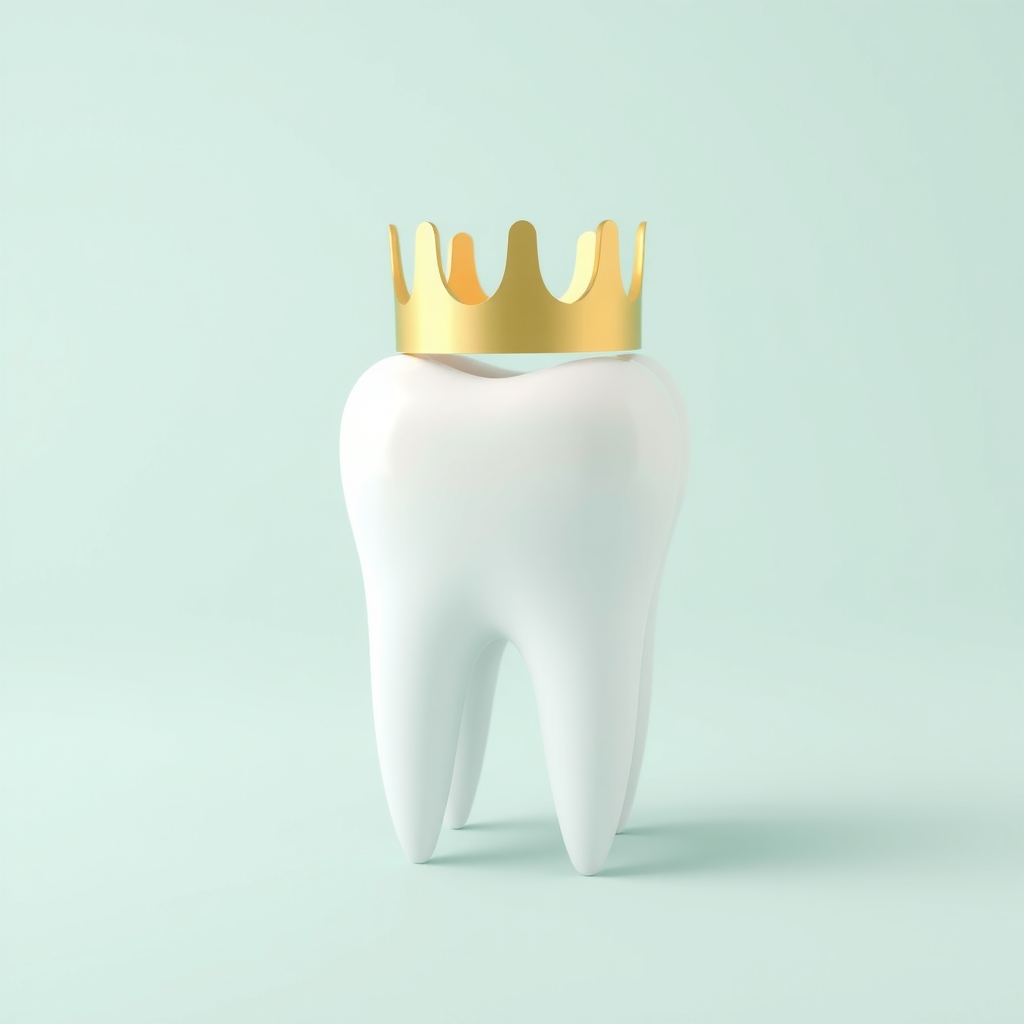
A dental crown is a custom-made cap that fits over a tooth, restoring its shape, strength, and function. It covers the entire visible portion of the tooth above the gum line, protecting it from further damage while allowing you to chew and speak normally.
When Is a Crown Recommended?
Crowns are not suggested casually. Dentists usually recommend them in specific situations where the tooth structure is compromised and needs reinforcement.
After a Root Canal Treatment
Once the infected pulp is removed during a root canal, the tooth can become weaker and more prone to cracking over time, especially for molars that handle heavy chewing forces. A crown seals and protects the treated tooth, helping it function normally for years.
Large Cavities or Extensive Decay
When a cavity is too large for a filling to restore the tooth safely, a crown provides the extra structural support needed. Fillings work well for smaller cavities, but once a significant portion of the tooth is lost to decay, a crown helps prevent the remaining structure from breaking down.
Cracked or Fractured Teeth
A cracked tooth can worsen with everyday biting pressure if left unaddressed. A crown holds the tooth together, distributing chewing forces evenly and preventing the crack from spreading further, which could otherwise lead to tooth loss.
Other Common Reasons
- To support a dental bridge
- To cover a dental implant
- To improve the appearance of a discoloured or misshapen tooth
- To protect a tooth that is worn down from grinding
What Does the Crown Procedure Involve?
The process is usually completed over two visits, though same-day options exist in some clinics.
- Examination and preparation: The dentist examines the tooth, may take an X-ray, and removes decayed or damaged portions.
- Shaping the tooth: The tooth is reshaped slightly to make room for the crown to fit properly.
- Impression: A digital scan or physical impression is taken to create a crown that fits your bite precisely.
- Temporary crown: A temporary crown is placed to protect the tooth while the permanent one is being made in a lab.
- Fitting the final crown: On your next visit, the permanent crown is checked for fit, colour match, and bite comfort before being cemented in place.
Types of Crowns
| Material | Key Feature |
|---|---|
| Metal (PFM) | Strong, cost-effective, visible metal edge |
| Zirconia | Very strong, natural appearance, tooth-coloured |
| Ceramic/Porcelain | Best aesthetics, ideal for front teeth |
Your dentist will recommend the most suitable option based on the tooth's location, your bite, and budget. Costs for crowns in Indirapuram, Ghaziabad vary by material and lab used, so it is best to discuss the typical range during your consultation.
Caring for Your Crown Long-Term
A crown can serve you well for many years if looked after properly.
- Brush twice daily and floss gently around the crown margin to prevent decay at the edges
- Avoid biting down on very hard foods like ice, hard candy, or nutshells
- If you grind your teeth at night, ask your dentist about a night guard to protect the crown
- Visit your dentist for regular checkups so the crown and surrounding gum can be monitored
- Report any looseness, sharp edges, or discomfort promptly rather than waiting
Understanding why a crown is recommended can make the decision easier. It is generally a preventive step, protecting a weakened tooth from further damage, and with proper care, it can restore full function and confidence in your smile for a long time.
Have questions about your teeth?
Dr Urvashi Verma's Dental Clinic · Jaipuria Sunrise Plaza, Ahinsa Khand 1, Indirapuram
Frequently asked questions
Does getting a crown hurt?
The procedure is done under local anaesthesia, so you should not feel pain during the treatment. Mild sensitivity or soreness for a day or two afterward is normal and manageable with the medication your dentist prescribes.
How long does a dental crown last?
With good oral hygiene and regular checkups, a well-fitted crown can last many years, often a decade or more. Its lifespan depends on the material used, your bite, and how well you care for it.
Can I eat normally with a temporary crown?
You should avoid sticky, hard, or very chewy foods on the side with the temporary crown, since it is not as strong as the final restoration and can dislodge.
Is a crown always needed after a root canal?
Not always, but it is commonly recommended for back teeth, since root canal treated teeth can become brittle and a crown protects them from fracturing under chewing forces.
Treatment costs mentioned on this page are indicative ranges for the Indirapuram, Ghaziabad region. Your exact cost depends on your case and will be confirmed after a clinical examination at the clinic.